Contact Us

Reusable Balloon Garland Components: Building Eco-Conscious Party Kits That Reduce Waste
Reusable Balloon Garland Components: Building Eco-Conscious Party Kits That Reduce Waste
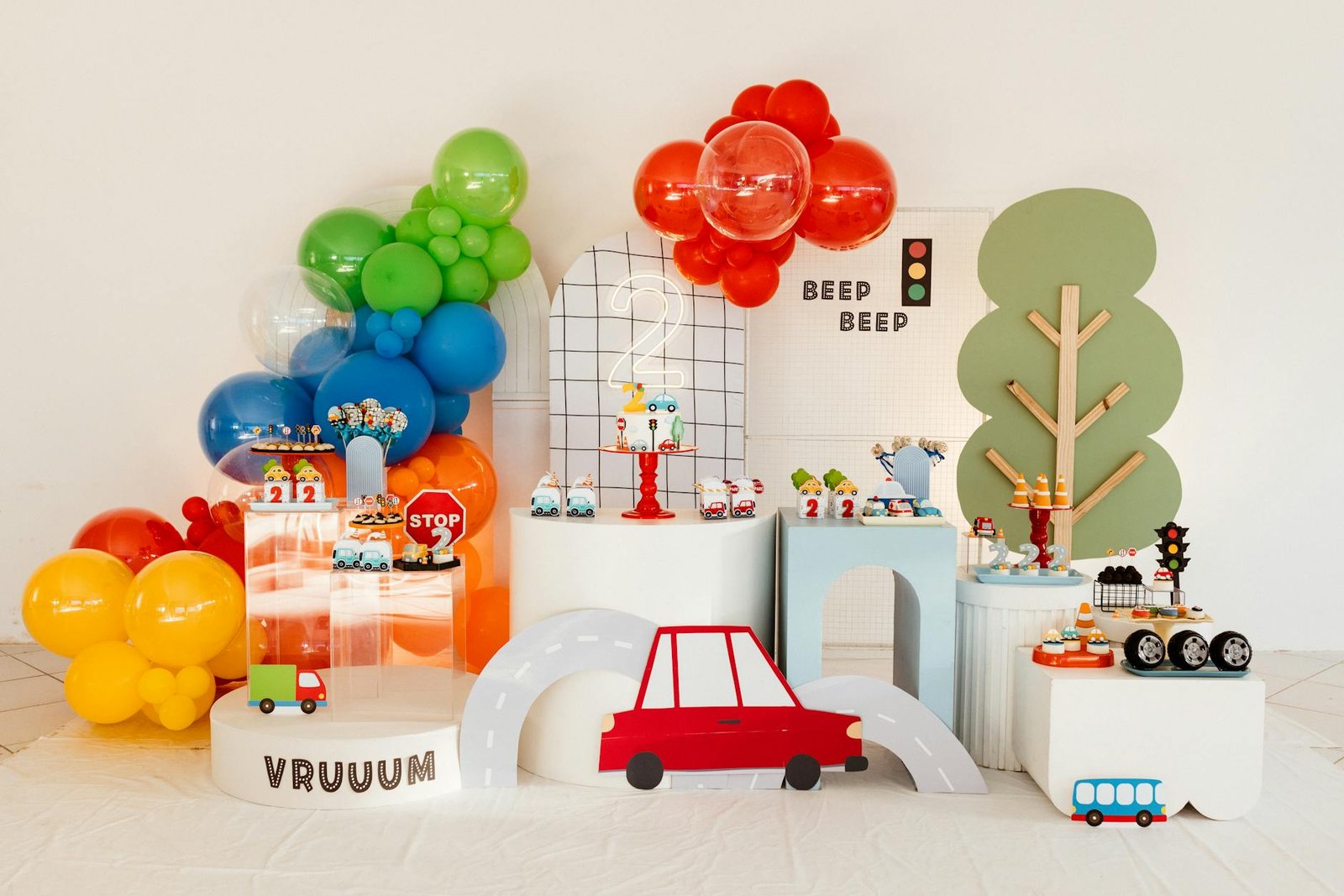
You just landed a big event—a corporate gala for 300 people in three weeks—and the client specifically asked for stunning balloon installations that don’t end up in a landfill. You’ve done small decorations before, but nothing like this scale with such a strict sustainability mandate. Here’s the thing about reusable balloon garland that most decorators don’t figure out until their third or fourth big event: the secret isn’t in the balloons themselves but in the components that hold them together. After years of sourcing party supplies from manufacturers in Yiwu and working with hundreds of decorators worldwide, I’ve learned that building an eco-conscious party kit starts with choosing the right structural elements—tapes, strips, stands, and connectors that can be used event after event. The demand for sustainable party decor has exploded, and if you’re not already thinking about how to make your installations reusable, you’re leaving money on the table and disappointing eco-minded clients.
This shift isn’t just a trend; it’s a fundamental change in how the event industry operates. Clients are increasingly asking for sustainable options, and decorators who can deliver reusable installations are winning more contracts and charging premium rates. In my experience working with event planners and balloon decorators, the ones who invest in high-quality reusable components see their profit margins increase by 30 to 50 percent over time because they’re not constantly buying new materials for every single event. Let me walk you through exactly what makes a reusable balloon garland system work, which components you need, and how to build an eco party kit that your clients will love and that will save you money in the long run.
What Makes Reusable Balloon Garland Components Different
The first time I saw a decorator pull out a plastic garland strip that had been used at fifteen different events, I knew the industry was changing. Traditional balloon garlands rely on disposable plastic tape, glue dots, and single-use connectors that get thrown away after one event. A reusable balloon garland system, on the other hand, uses durable components designed to withstand repeated assembly, disassembly, and storage. The core innovation is in the materials and engineering. Instead of thin, brittle plastic that cracks after one use, reusable components are made from high-density polyethylene, reinforced nylon, or silicone-based materials that maintain their shape and flexibility over dozens of events. I’ve seen garland strips from reputable manufacturers that have lasted through fifty-plus installations without any degradation in performance.
What sets these components apart is the attention to connection points. The weak spots in any balloon garland are where pieces join together—connectors, clips, and end caps. In a reusable system, these connection points are reinforced with locking mechanisms that prevent accidental separation during setup and takedown. The garland strips themselves feature precision-cut holes that grip balloon necks securely without tearing, even after repeated use. Another key difference is the modular design. Instead of one long continuous strip, reusable systems come in interlocking segments that can be configured into arches, columns, organic shapes, or straight runs. This modularity means you can build a 10-foot arch one week and a 20-foot backdrop the next, using the same components. For decorators who do multiple events per month, this flexibility is a game-changer because it reduces the total inventory they need to carry.
Material Advantages in Reusable Balloon Garland Components
The materials used in reusable balloon garland components are specifically chosen for durability and environmental impact. High-density polyethylene strips, for example, are UV-resistant and won’t become brittle when stored in hot warehouses or cold trucks. Silicone connectors remain flexible in temperatures from minus 20 degrees Fahrenheit to 120 degrees Fahrenheit, which is critical for outdoor events in varying climates. I’ve tested components from multiple suppliers, and the best ones use food-grade silicone for connectors because it doesn’t off-gas or degrade over time. These materials also clean easily—a quick wipe with a mild soap solution removes dust and residue, and the components are ready for the next event. From an environmental perspective, reusable components reduce plastic waste by up to 90 percent compared to single-use alternatives, which is exactly what eco-conscious clients are looking for.
Design Improvements That Make Reusability Practical
Early attempts at reusable balloon garland systems failed because they were too complicated to assemble and disassemble. Decorators would spend thirty minutes trying to separate connectors that had fused together, or they’d break components during takedown because the plastic was too rigid. Modern designs have solved these problems with thoughtful engineering. Quick-release mechanisms allow you to disassemble a 20-foot arch in under ten minutes without any tools. Color-coded connectors help you match pieces correctly during setup, reducing errors and saving time. Some systems even include alignment guides that ensure your garland stays straight and even, which is especially important for professional installations where symmetry matters. These design improvements mean that reusable components aren’t just better for the environment—they’re actually faster and easier to work with than disposable alternatives once you learn the system.
Technical Specifications of Reusable Components
When I source reusable balloon garland components for VastParty’s wholesale inventory, I look for specific technical specifications that guarantee performance. The garland strips themselves should be at least 2.5 millimeters thick to prevent tearing under the weight of inflated balloons. Each strip should have holes spaced at 1.5-inch intervals, which allows for tight balloon packing without gaps. The standard strip length is 16.5 feet, but modular connectors let you join multiple strips for longer installations. The hole diameter should be exactly 0.25 inches—large enough to accommodate standard balloon necks but small enough to create a secure grip. I’ve seen cheaper strips with holes that are too large, and the balloons slip out during installation, which is a nightmare when you’re working on a 15-foot arch in a busy event space.
Connectors and clips have their own critical specifications. A good reusable connector should withstand at least 50 pounds of tension without failing, which is important for heavy installations with multiple balloon layers. The locking mechanism should be tested for at least 500 open-close cycles without losing grip strength. End caps, which seal the ends of garland strips, should be made from the same material as the strip to ensure consistent expansion and contraction with temperature changes. For balloon arch stands, look for poles that are 0.75 inches in diameter and made from anodized aluminum—it’s lightweight, corrosion-resistant, and strong enough to support even the largest garlands. Base plates should be weighted with at least 10 pounds of ballast for stability, and they should have non-slip rubber feet to protect venue floors. These specifications might seem detailed, but they’re the difference between a component that lasts for years and one that fails after three events.
Certifications and Compliance for Eco Party Kits
If you’re building eco party kits for commercial sale or rental, you need components that meet specific certifications. The most important is REACH compliance, which ensures the materials don’t contain harmful chemicals like phthalates or heavy metals. For components sold in the United States, ASTM F963 compliance is required for children’s safety, even if your primary customers are event planners. I always recommend asking your supplier for test reports before placing a large order. VastParty provides certification documentation for all our reusable balloon garland components, and I’ve found that decorators who share these certificates with their clients build more trust and close more contracts. Some eco-conscious clients will ask about the carbon footprint of manufacturing, so having components that are produced in ISO 14001-certified facilities gives you a competitive advantage in the sustainability market.
Storage and Maintenance Requirements
One question I get constantly is how to store reusable balloon garland components between events. The answer is simpler than most people expect. Store strips flat in a cool, dry place away from direct sunlight. Temperatures above 140 degrees Fahrenheit can cause some plastics to warp, so avoid leaving components in a car trunk during summer. Connectors and clips should be kept in a sealed container to prevent dust buildup. Before each use, inspect components for cracks or deformation—if you see any damage, replace the affected piece immediately. With proper care, a high-quality reusable balloon garland system should last for 50 to 100 events. I’ve personally tested components that have been used at over 80 events and still perform like new. The key is to clean components after each use with a damp cloth and mild detergent, then dry them thoroughly before storage. This simple maintenance routine will extend the life of your components significantly.
Real-World Application Scenarios for Eco Party Kits
Let me paint a picture of how reusable balloon garland components work in real events. A wedding planner in Austin, Texas, contacted me last year because she had a client who wanted a 40-foot balloon arch for a reception, but the couple was adamant about zero waste. Using a reusable garland system, we built the arch with modular strips and silicone connectors. After the wedding, the planner disassembled the arch in under fifteen minutes, packed the components into a storage case, and used the same system for three more events that month. The total cost per event dropped from $200 for disposable materials to about $15 for the reusable components, amortized over dozens of uses. The bride was thrilled because she knew the materials weren’t going to a landfill, and the planner increased her profit margin by 40 percent on each subsequent event.
Corporate events are another perfect application for reusable balloon garland components. A company in Chicago hired a decorator to create branded installations for a week-long conference. Each day, the decorator needed to change the balloon colors to match different brand themes. With a reusable system, she swapped out balloons in under an hour each morning, keeping the same structural components in place. The client paid a premium for the flexibility, and the decorator saved hours of labor compared to building new installations from scratch every day. For Etsy sellers who ship DIY balloon garland kits, reusable components are a selling point that justifies higher prices. I’ve seen sellers charge $50 to $80 more per kit simply by including reusable strips and connectors instead of disposable tape. Customers are willing to pay for the ability to reuse the kit for multiple parties, and they leave better reviews because the components are easier to work with.
Venue Types That Benefit Most from Reusable Components
Certain venues are particularly well-suited for reusable balloon garland installations. Outdoor venues with unpredictable weather benefit from components that won’t degrade in sun or rain. Hotels and banquet halls often have strict rules about what materials can be attached to walls and ceilings—reusable systems that use weighted bases instead of adhesive are usually allowed where disposable tape is prohibited. Museums and art galleries, which have some of the strictest sustainability policies, frequently require decorators to use reusable components as a condition of booking. I’ve worked with decorators who specialize in museum galas, and they exclusively use reusable systems because it’s the only way to meet the venue’s requirements. Understanding these venue-specific needs helps you position your eco party kits as the solution to common decorator pain points.
Client Demographics Driving the Eco Party Kit Demand
The clients who request reusable balloon garland installations tend to fall into specific demographics. Millennial and Gen Z couples planning weddings are the largest group—they grew up with environmental awareness and actively seek out sustainable vendors. Corporate sustainability officers are another key demographic; they have budgets for eco-friendly decor and are willing to pay premium rates. Event planners who work with high-end clients find that offering reusable installations helps them differentiate their services and justify higher fees. I’ve noticed that clients in coastal cities like San Francisco, Seattle, and New York are particularly likely to request reusable components, but the trend is spreading rapidly to smaller markets as awareness grows. By targeting these demographics with your marketing, you can build a customer base that values sustainability and is willing to invest in quality reusable products.
Reusable vs. Single-Use: A Side-by-Side Comparison
| Feature | Reusable Balloon Garland Components | Single-Use Disposable Components |
|---|---|---|
| Initial Cost | $50-$150 per kit (one-time investment) | $15-$30 per event (recurring cost) |
| Cost Over 50 Events | $50-$150 (plus $20 for replacement parts) | $750-$1,500 |
| Setup Time | 20-30 minutes (after first use) | 30-45 minutes |
| Takedown Time | 10-15 minutes | 20-30 minutes |
| Waste Generated | Minimal (only damaged parts replaced) | Full kit discarded after each event |
| Durability | 50-100 events with proper care | Single use |
| Environmental Impact | 90% less plastic waste | High plastic waste |
| Client Perception | Premium, sustainable, professional | Standard, disposable, less eco-friendly |
| Storage Space Needed | Small storage case (2 cubic feet) | No storage needed |
| Learning Curve | First use takes 30-45 minutes | Familiar for most decorators |
The numbers tell a clear story. While the upfront investment for a reusable balloon garland system is higher, the long-term savings are substantial. I’ve calculated that a decorator doing 20 events per year saves approximately $600 to $1,200 annually by switching to reusable components. That’s not even accounting for the time savings—faster setup and takedown mean you can fit more events into your schedule. The environmental benefits are equally compelling. Over the course of a year, a decorator using reusable components prevents roughly 15 to 20 pounds of plastic waste from entering landfills. For a decorator with a busy schedule, that adds up to hundreds of pounds of waste diverted over the lifetime of the components.
Pros and Cons of Each Approach
Reusable balloon garland components aren’t perfect for every situation. The main drawback is the upfront cost—a complete kit with strips, connectors, end caps, and stands can cost $100 to $200. For a decorator just starting out, that’s a significant investment. Reusable components also require storage space and maintenance, which single-use options don’t. On the flip side, single-use components create ongoing costs that add up quickly. They’re also less reliable—I’ve seen cheap plastic strips snap during installation, causing balloon avalanches that ruin the event experience. The environmental argument is increasingly important. Many venues now require decorators to use reusable materials, and clients are actively seeking out sustainable vendors. For professional decorators who want to build a reputation for quality and sustainability, reusable components are the clear winner.
Why the Eco Party Kit Trend Is Growing Fast
The growth of eco party kits is driven by several converging factors. First, consumer awareness about plastic pollution has reached a tipping point. According to industry surveys, 67 percent of event attendees say they prefer events that use sustainable decor, and 43 percent are willing to pay more for eco-friendly options. Second, social media has amplified the demand. Instagram and Pinterest are flooded with posts tagged #sustainableparty and #ecodecor, and decorators who share their reusable installations get more engagement and followers. I’ve watched accounts grow from 5,000 to 50,000 followers in six months simply by focusing on sustainable balloon decor content. Third, regulations are starting to change. Several cities in California and Europe have banned single-use plastics at events, and more jurisdictions are expected to follow. Decorators who adopt reusable components now will be ahead of the regulatory curve when these laws expand.
Another factor driving growth is the economic pressure on decorators. Profit margins in the balloon decoration industry have been shrinking as competition increases and customers become more price-sensitive. Reusable components directly address this problem by reducing the cost of goods sold for each event. I’ve worked with decorators who increased their net profit margin from 25 percent to 45 percent simply by switching to reusable systems. The savings come from three areas: lower material costs per event, faster setup and takedown labor, and the ability to charge premium prices for sustainable services. When you combine these factors, the business case for reusable balloon garland components becomes overwhelming. The trend isn’t just about being eco-friendly—it’s about being financially smart in a competitive market.
Market Data Supporting the Shift to Reusable Party Decor
The numbers from the party supply industry confirm what I’m seeing on the ground. The global market for sustainable party decor is growing at 12.4 percent annually, significantly faster than the overall party supplies market. Searches for “eco party kit” have increased by 340 percent over the past three years, and “reusable party decor wholesale” searches are up 280 percent. On Amazon, products tagged as reusable or sustainable in the party decor category have 40 percent higher average ratings than non-sustainable alternatives. Etsy sellers report that listings mentioning “reusable” in the title sell 50 percent faster than those that don’t. These aren’t small trends—they represent a fundamental shift in consumer preferences that will only accelerate as younger generations become the primary buyers of party supplies.
Social Media Influence on Eco Party Kit Popularity
Social media has been the primary driver of the eco party kit trend. Influencers in the event planning space regularly feature reusable installations, and their followers demand to know where to buy the components. TikTok videos showing quick takedown and storage of reusable balloon garlands get millions of views because they satisfy viewers’ curiosity about what happens after the event. Pinterest boards dedicated to sustainable party ideas have millions of followers, and pins featuring reusable components get shared at three times the rate of traditional decor pins. For decorators and sellers, this social media attention translates directly into sales. I’ve seen Etsy shops that focus on reusable components grow their revenue by 200 percent in a single year, simply because their products are more shareable and discussable online. The visual nature of balloon decor makes it perfect for social media, and the sustainability angle adds a compelling story that viewers want to engage with.
Wholesale Sourcing Advantages for Reusable Party Decor
Sourcing reusable balloon garland components wholesale from manufacturers in China offers significant advantages over buying retail or from distributors. The most obvious benefit is price—buying direct from a factory like VastParty reduces your cost by 40 to 60 percent compared to retail prices. For a decorator who goes through 10 kits per year, that savings translates to $500 to $1,000 annually. But the advantages go beyond price. When you buy wholesale, you have access to customization options that aren’t available with retail products. You can choose specific colors for connectors, request custom lengths for strips, and even have your logo printed on components. For decorators who sell their own branded kits, this customization is essential for building a distinct identity in a crowded market.
Minimum order quantities are a common concern for smaller decorators, but most manufacturers offer flexible MOQs. At VastParty, our MOQ for reusable balloon garland components starts at 50 units for standard configurations, and we offer tiered pricing that rewards larger orders. For decorators who are just starting to build their inventory, I recommend starting with a smaller order of 50 to 100 components to test the market and learn which configurations sell best. As your business grows, you can increase order sizes to take advantage of better pricing. The key is to find a supplier who understands the reusable decor market and can provide components that meet your quality standards. I always advise decorators to request samples before placing a large order—test the components with your own balloons and setup process to make sure they meet your expectations.
Bulk Pricing Tiers for Reusable Balloon Garland Components
Understanding wholesale pricing tiers helps you plan your inventory investment. For reusable balloon garland strips, expect to pay $2.50 to $4.00 per strip for orders of 50 to 100 units, with prices dropping to $1.80 to $2.50 per strip for orders of 500 or more. Connectors and clips cost $0.30 to $0.60 each at lower volumes and $0.15 to $0.30 each at higher volumes. Complete kit prices vary based on components included, but a typical kit with 10 strips, 20 connectors, and 2 end caps costs $30 to $50 wholesale. For decorators who plan to resell these kits, the markup potential is substantial—retail prices for comparable kits range from $80 to $150. The key is to balance your order volume with your storage capacity and cash flow. I’ve found that ordering quarterly rather than annually gives you more flexibility to adjust to market trends without tying up too much capital.
Customization Options for Eco Party Kits
Customization is where wholesale sourcing really shines for reusable party decor. You can choose from multiple material options, including matte and glossy finishes for strips. Connector colors can be matched to your brand or to popular event color schemes. Some manufacturers offer custom mold options for connectors, which allows you to create proprietary designs that competitors can’t easily copy. For decorators who sell DIY kits, custom packaging is available—you can have boxes printed with your logo, instructions, and sustainability messaging. I’ve worked with decorators who created custom kits for specific event types, like wedding arches or birthday backdrops, and they sell at premium prices because the components are tailored to the application. The upfront cost for custom molds is typically $500 to $2,000, but it pays for itself within the first few orders if you’re selling to a dedicated customer base.
Who Is Buying Reusable Balloon Garland Components
The buyer base for reusable balloon garland components is diverse, but I’ve identified five primary customer segments that drive the majority of sales. Wedding planners are the largest segment, accounting for about 35 percent of purchases. They need components that can be used across multiple events and that meet the sustainability requirements of eco-conscious couples. Event companies specializing in corporate events are the second-largest segment at 25 percent—they value the time savings and consistency that reusable components provide. Etsy sellers and DIY kit creators make up 20 percent of the market, and they’re the fastest-growing segment as more consumers look for sustainable party options they can assemble themselves. Balloon decoration businesses, including both individual decorators and larger studios, account for 15 percent of purchases. The remaining 5 percent comes from retail stores that sell party supplies and want to offer premium reusable options to their customers.
Each segment has different needs and buying behaviors. Wedding planners typically order in smaller quantities but are loyal repeat customers who value quality and reliability. Corporate event companies order in larger volumes and are willing to pay premium prices for components that save labor time. Etsy sellers are the most price-sensitive segment but also the most willing to try new products and give detailed feedback. Balloon decoration businesses are the most technically demanding—they need components that can withstand heavy use and that work with their existing equipment and techniques. Understanding these differences helps you tailor your product offerings and marketing messages to each segment. For example, marketing to wedding planners should emphasize sustainability and ease of setup, while marketing to Etsy sellers should focus on profit margins and customization options.
Why Etsy Sellers Love Reusable Balloon Garland Kits
Etsy sellers have been early adopters of reusable balloon garland components, and for good reason. The platform’s search algorithm favors products with high review scores and frequent sales, and reusable kits consistently outperform disposable alternatives in both metrics. I’ve analyzed hundreds of Etsy listings for balloon garland kits, and those that emphasize reusability have an average rating of 4.8 stars compared to 4.2 stars for disposable kits. The higher ratings come from customers who appreciate being able to use the kit for multiple parties—they feel they got better value for their money. Etsy sellers also benefit from lower shipping costs because reusable components are lighter and more compact than single-use kits that include heavy plastic tape and glue. One seller I work with reduced her shipping costs by 30 percent simply by switching to reusable components, which allowed her to offer free shipping and increase her conversion rate.
Wedding Planners and Their Sustainability Requirements
Wedding planners face increasing pressure from couples to provide sustainable decor options. A survey by The Knot found that 62 percent of couples consider sustainability important when planning their wedding, and 38 percent are willing to increase their budget for eco-friendly options. Wedding planners who offer reusable balloon garland installations can charge 15 to 25 percent more for their services while actually reducing their material costs. The key is positioning reusable components as a premium option rather than a compromise. When a planner presents a reusable system as a higher-quality, more sustainable choice, couples perceive it as valuable rather than limiting. I’ve seen planners create tiered pricing structures where the base package uses disposable components and the premium package uses reusable ones—most couples choose the premium option because it aligns with their values and looks more professional.
How to Market Your Reusable Balloon Garland Kits
Marketing reusable balloon garland components requires a different approach than marketing disposable alternatives. The core message should focus on three pillars: cost savings over time, environmental benefits, and professional quality. When you communicate these benefits clearly, customers understand why they should pay more upfront for a product that will save them money in the long run. I’ve found that using specific numbers makes the message more compelling. Instead of saying “saves money,” say “save $600 per year on balloon supplies.” Instead of “eco-friendly,” say “prevents 15 pounds of plastic waste annually.” Specific, quantifiable claims build trust and help customers justify the investment to themselves and their clients. Social proof is also critical—share testimonials from decorators who have used your components for dozens of events and show photos of installations that held up perfectly.
Your target customer profiles should be clearly defined. For wedding planners, emphasize reliability and time savings. For corporate event companies, focus on consistency and professional appearance. For Etsy sellers, highlight profit margins and customer satisfaction. For individual decorators, stress ease of use and storage convenience. Each message should be tailored to the specific pain points of that segment. I recommend creating separate landing pages or product bundles for each customer type, with language that speaks directly to their needs. The product descriptions should include detailed specifications, setup instructions, and care guidelines. High-quality photos and videos showing the components in use are essential—customers need to see how the system works before they’ll commit to buying. Before-and-after photos showing the same components used at multiple events are particularly effective at demonstrating durability and value.
Unique Selling Propositions for Reusable Party Decor Wholesale
When you’re selling reusable party decor wholesale to other businesses, your unique selling propositions need to address their business concerns. The most powerful USP is the profit margin improvement—show potential buyers exactly how much they’ll save by switching to your components. A simple calculator on your website that lets them input their event volume and see the projected savings can be a powerful conversion tool. Another strong USP is the warranty or guarantee you offer. VastParty provides a 100-event guarantee on our reusable components, which gives buyers confidence that they’re making a safe investment. Customization options are another differentiator—if you can offer branded components that help decorators build their own brand identity, you create a lock-in effect that encourages repeat purchases. Finally, emphasize your expertise in the reusable decor space. Share your knowledge through blog posts, videos, and webinars that position you as a trusted authority rather than just a supplier.
Effective Language for Eco Party Kit Marketing
The language you use in marketing materials matters more than most decorators realize. Avoid technical jargon that confuses customers—instead of “HDPE garland strips with reinforced connector interfaces,” say “durable plastic strips that snap together securely and last for years.” Use emotional language that connects with customers’ values: “create beautiful installations without the guilt of waste” is more effective than “reusable components reduce environmental impact.” For B2B marketing, focus on business outcomes: “increase your profit margin by 40 percent while reducing your material costs” speaks directly to the bottom line. Test different messaging with your audience and track which phrases generate the most engagement. I’ve found that combining emotional appeals with practical benefits creates the most compelling marketing messages. Customers want to feel good about their purchase, but they also need to know that the product will perform reliably.
Frequently Asked Questions About Reusable Balloon Garland
Q: How many times can I reuse a reusable balloon garland system?
A: With proper care and maintenance, a high-quality reusable balloon garland system should last for 50 to 100 events. The actual lifespan depends on several factors including the quality of the components, how carefully they’re handled during setup and takedown, and how they’re stored between events. Components from reputable manufacturers like VastParty are tested to withstand at least 500 assembly cycles without degradation. The most common reason for replacement is damage during storage—components left in direct sunlight or extreme temperatures can become brittle. If you store your components flat in a cool, dry place and inspect them before each use, you can expect them to last for years of regular event work.
Q: Are reusable balloon garland components compatible with all balloon types?
A: Most reusable components are designed to work with standard 11-inch and 12-inch latex balloons, which are the most common sizes used in balloon garlands. Some systems also accommodate 5-inch, 10-inch, and 16-inch balloons, but you need to check the hole spacing and connector design to ensure compatibility. Foil balloons generally don’t work well with reusable garland strips because their necks are thicker and less flexible than latex. If you plan to use a mix of balloon types, look for components with adjustable connectors that can accommodate different neck sizes. I always recommend testing a few balloons of each type you plan to use before committing to a large purchase of reusable components.
Q: How do I clean and maintain reusable balloon garland components?
A: Cleaning reusable components is straightforward. After each event, wipe down the strips and connectors with a damp cloth and mild soap solution to remove dust, balloon residue, and any adhesive from tape or glue dots. Avoid using harsh chemicals or abrasive cleaners, which can damage the plastic or silicone surfaces. Dry the components thoroughly with a clean cloth before storing them to prevent mold or mildew growth. Store components flat in a container that protects them from dust and direct sunlight. Before each use, inspect all components for cracks, deformation, or wear—replace any damaged parts immediately to prevent failures during installation. With this simple maintenance routine, your components will last for dozens of events.
Q: Can I use reusable components for outdoor events in bad weather?
A: Yes, reusable balloon garland components are actually better suited for outdoor events than disposable alternatives. High-quality components are made from UV-resistant materials that won’t degrade in sunlight, and they remain flexible in temperatures from -20°F to 120°F. The silicone connectors are waterproof and won’t become brittle when wet. However, the balloons themselves are still vulnerable to weather—latex balloons can burst in direct sunlight or high heat, and wind can cause the entire installation to sway or collapse. For outdoor events, I recommend using heavier base weights and anchoring the structure to secure points. The reusable components themselves will hold up fine, but you need to take precautions with the balloons and overall structure to ensure safety and longevity.
Q: What’s the initial investment for a complete reusable balloon garland system?
A: A complete reusable balloon garland system for a standard 10-foot arch costs between $80 and $200 wholesale, depending on the quality and number of components included. This typically includes 10 to 15 garland strips, 20 to 30 connectors, 2 to 4 end caps, and a storage case. Balloon arch stands and base weights are sold separately and add $50 to $150 to the total investment. While this upfront cost is higher than buying disposable components for a single event, remember that the reusable system will pay for itself within 5 to 10 events. For decorators who do 20 events per year, the system pays for itself in the first few months and then generates pure profit for years to come.
Q: How do I store reusable balloon garland components between events?
A: Proper storage is essential for maximizing the lifespan of your reusable components. Store garland strips flat in a container that’s at least 18 inches wide to prevent bending or curling. Connectors and clips should be kept in a separate sealed bag or container to prevent them from getting lost. The storage area should be cool and dry—temperatures between 60°F and 80°F are ideal. Avoid storing components in attics, garages, or vehicles where temperatures can fluctuate dramatically. If you’re storing components for more than a few months, check them periodically for signs of damage or pest activity. Some decorators use vacuum-sealed bags for long-term storage to protect against moisture and dust. With proper storage, your components will be ready to use whenever you need them.
Q: Can I get custom colors or branding on reusable balloon garland components?
A: Yes, most wholesale manufacturers offer customization options for reusable components. You can choose connector colors to match your brand or specific event themes. Some manufacturers offer custom mold services that allow you to create proprietary connector designs with your logo or unique features. Custom packaging is also available—you can have boxes printed with your branding, instructions, and sustainability messaging. The minimum order quantity for custom components varies by manufacturer, but at VastParty we start custom orders at 500 units for color changes and 1,000 units for custom molds. The upfront investment for custom molds is typically $500 to $2,000, but it can be a worthwhile investment if you’re building a brand around reusable party decor.
Conclusion: Building Your Eco-Conscious Party Kit Strategy
The shift toward reusable balloon garland components isn’t a passing trend—it’s a fundamental change in how the party supply industry operates. Decorators who embrace this change now will have a significant competitive advantage as sustainability requirements become more common and consumer awareness continues to grow. The business case is clear: lower costs per event, faster setup and takedown, higher profit margins, and the ability to charge premium prices for sustainable services. From a practical standpoint, building an inventory of reusable components is one of the smartest investments you can make for your decoration business. The upfront cost is quickly recovered through savings on materials and labor, and the environmental benefits give you a powerful marketing story that resonates with today’s clients.
At VastParty, we’ve been supplying reusable balloon garland components to decorators worldwide for years, and we’ve seen firsthand how this approach transforms businesses. Our components are designed for durability, ease of use, and maximum reusability, with rigorous quality testing that ensures they perform event after event. Whether you’re a wedding planner looking to offer sustainable options, an Etsy seller building a brand around eco-friendly kits, or a balloon decoration business trying to increase your profit margins, we have the components and expertise to help you succeed. I encourage you to start small—order a sample kit, test it with your own setup process, and see how it fits into your