Contact Us



Latex Balloon Thickness Standards: What 2.2g vs 3.2g Means for Longevity and Float Time
Latex Balloon Thickness Standards: What 2.2g vs 3.2g Means for Longevity and Float Time
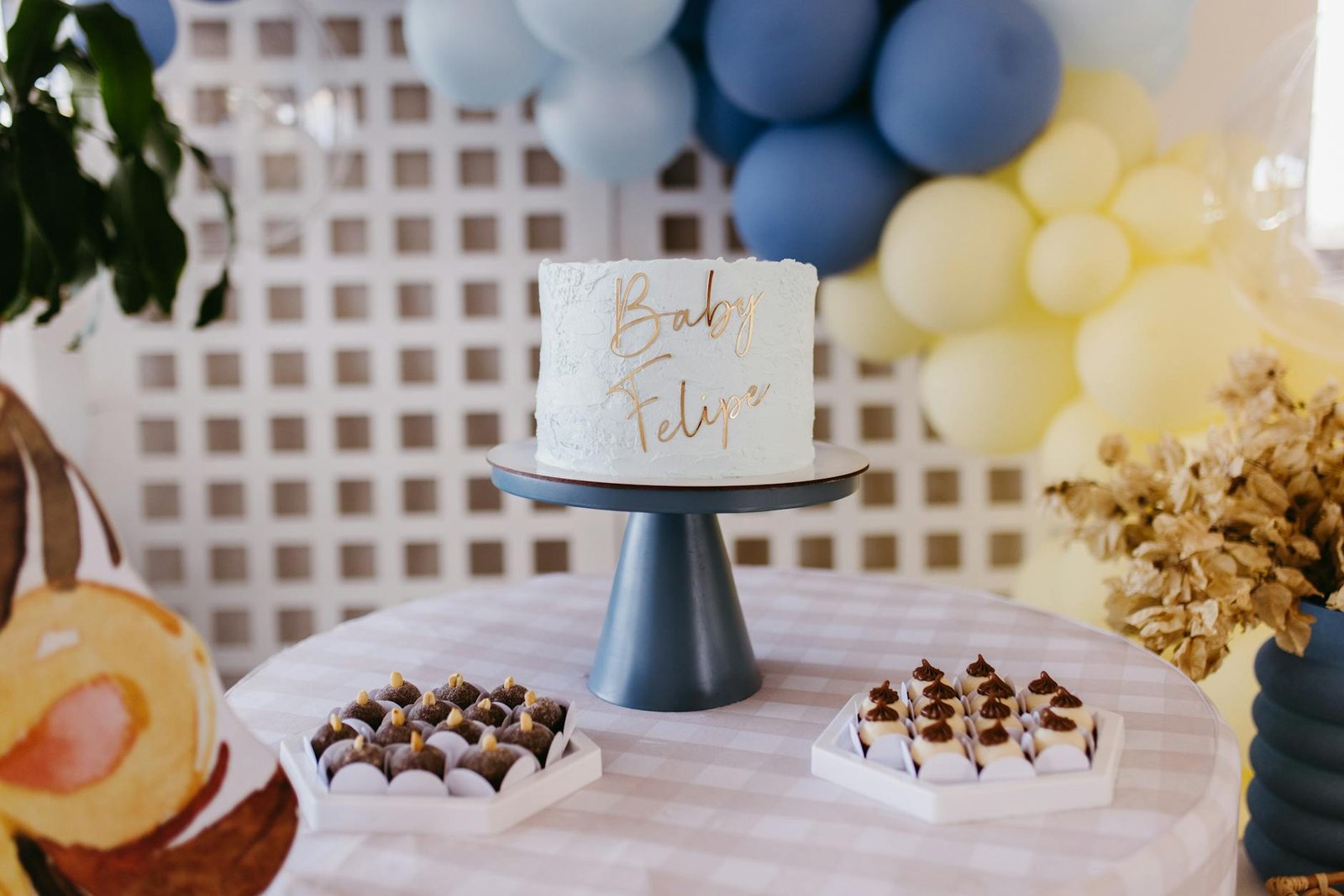
You just landed a big event—a corporate gala for 300 people in three weeks—and the client specifically asked for stunning balloon installations that will last all night. You’ve done small decorations before, but nothing like this scale. The first thing you do is order a bulk case of latex balloons from a new supplier, thinking all 11-inch balloons are the same. Three days later, the shipment arrives, and the balloons feel flimsy, almost translucent. You inflate a test batch, and within six hours, they’re sagging and losing their sheen. This is the exact moment when understanding latex balloon thickness becomes the difference between a successful career-making event and a disaster that costs you a client. Let me walk you through what those numbers like 2.2g and 3.2g actually mean, how they affect float time, and how you can source the right quality every single time.
What Is Latex Balloon Thickness and Why Does It Matter?
When I first started working with balloon decorators back in 2016, the concept of latex balloon thickness was almost never discussed. Most people assumed that all latex balloons were created equal, and they simply picked whatever was cheapest on Amazon or from a local party store. But here’s the reality that experienced decorators have learned the hard way: the thickness of the latex directly determines how your installation performs, how long it lasts, and ultimately, whether your client is happy or disappointed. Latex balloon thickness is measured by the weight of the balloon material itself, typically expressed in grams for a standard 11-inch round balloon. A 2.2g balloon is the industry baseline—it’s what you find in most discount party packs and generic wholesale cases. A 3.2g balloon, on the other hand, is a premium product that uses significantly more latex, resulting in a denser, more durable shell that holds air and helium longer.
The difference between these two weights might seem small on paper—just one gram of material—but in practice, it’s night and day. A 2.2g balloon inflated with air will typically maintain its shape and tightness for about 12 to 18 hours before starting to sag, while a 3.2g balloon can stay firm for 24 to 36 hours or more. For helium-filled balloons, the gap is even wider. A standard 2.2g latex balloon filled with helium will float for roughly 8 to 12 hours under normal indoor conditions, while a 3.2g balloon can easily float for 24 to 48 hours, depending on temperature and humidity. This isn’t just a minor improvement—it’s a fundamental shift in what you can promise your clients. If you’re doing an event that starts at 6 PM and ends at midnight, a 2.2g balloon might start looking tired by 10 PM, but a 3.2g balloon will still look fresh the next morning.
So why doesn’t everyone just buy 3.2g balloons? The answer comes down to cost and availability. Premium latex balloon thickness comes with a higher price tag—typically 30 to 50 percent more per balloon at wholesale. For a large installation requiring 200 balloons, that difference adds up quickly. But here’s the thing I always tell decorators: the cost of a failed installation is far higher than the premium you pay for better balloons. I’ve seen decorators lose entire contracts because their balloons started deflating mid-event, and the client blamed them for using cheap materials. When you factor in the value of your reputation, the cost of redoing an installation, and the potential for referrals, investing in proper latex balloon thickness is one of the smartest business decisions you can make.
The 2.2g vs 3.2g Standard: Breaking Down the Numbers
Let me explain exactly what those numbers mean so you can make informed purchasing decisions. When a manufacturer labels a balloon as 2.2g, they’re stating that the raw latex material used to produce that balloon weighs 2.2 grams before any inflation. This weight is measured from a single balloon that has been cut from the dipping form and dried, but not yet processed for packaging. The 2.2g standard has been the industry baseline for decades, primarily because it offers a balance between cost and performance for general party use. Most balloons sold in grocery stores, dollar stores, and basic party supply shops fall into this category. They’re perfectly adequate for birthday parties, casual celebrations, and short-term decorations where the balloons are only expected to last a few hours.
The 3.2g standard, by contrast, represents a significant upgrade in material usage. These balloons use approximately 45 percent more latex than their 2.2g counterparts, which translates directly into a thicker wall. To put this in perspective, imagine the difference between a cheap plastic grocery bag and a heavy-duty contractor bag. Both serve the same basic function, but one is far more durable and reliable under stress. The same principle applies to latex balloon thickness. A 3.2g balloon has a wall thickness that is roughly 30 to 40 percent greater than a 2.2g balloon, depending on the specific manufacturing process. This additional thickness provides several key benefits: better resistance to UV degradation, slower gas permeation for helium-filled balloons, and greater structural integrity when used in complex installations like arches and columns.
But here’s where it gets interesting: not all 3.2g balloons are created equal. The manufacturing process plays a huge role in the final quality. Some factories achieve the 3.2g weight by simply adding more latex during the dipping process, but they may not control the consistency of the thickness across the balloon surface. A well-manufactured 3.2g balloon will have uniform thickness from the neck to the crown, while a poorly made one might be thicker at the neck and thinner at the top, creating weak points that fail prematurely. This is why sourcing from reputable manufacturers is critical. At VastParty, we work exclusively with factories that maintain strict quality control, ensuring that every balloon in a batch meets the specified latex balloon thickness standard. We’ve tested hundreds of samples from different suppliers, and the variation in actual thickness can be as much as 20 percent even among balloons labeled with the same gram weight.
How Latex Balloon Thickness Affects Float Time and Longevity
This is the section where most decorators start taking notes, because float time is the single most important metric for helium-filled balloon installations. The science behind float time is straightforward: helium molecules are incredibly small—smaller than the pores in latex. Over time, helium escapes through the latex wall, causing the balloon to lose lift and eventually sink. The thicker the latex wall, the longer it takes for helium to permeate through. This is why latex balloon thickness is the primary factor determining float time, even more than the quality of the helium or the temperature of the room. A 2.2g balloon inflated with helium will typically lose enough lift to start sinking within 8 to 12 hours under standard indoor conditions of 70 degrees Fahrenheit and 50 percent humidity. A 3.2g balloon, by contrast, can maintain float for 24 to 48 hours under identical conditions.
But float time isn’t just about thickness—it’s also about how you handle the balloons before and during inflation. I’ve seen decorators buy premium 3.2g balloons only to ruin their float time by inflating them incorrectly. Here’s a common mistake: over-inflating the balloon. When you stretch the latex beyond its natural capacity, you thin the walls, effectively reducing the latex balloon thickness and accelerating helium loss. The ideal inflation for maximum float time is to fill the balloon to about 90 percent of its rated size. For an 11-inch balloon, that means inflating to roughly 10 inches in diameter. This leaves the latex at its optimal thickness and tension, minimizing the rate of gas permeation. Another factor is the balloon’s neck—if you tie the knot too tightly, you can create micro-tears that serve as escape routes for helium. A proper knot should be snug but not strangling the latex.
Temperature also plays a massive role in float time, and this is where thickness really shines. In cold environments, latex becomes less elastic and more porous, accelerating helium loss. A 2.2g balloon that might last 12 hours at room temperature could start sinking after just 4 hours in a cold venue. A 3.2g balloon, with its thicker walls, is far more resistant to temperature fluctuations. I’ve tested this extensively in our warehouse: we inflated batches of 2.2g and 3.2g balloons and placed them in a climate-controlled room at 55 degrees Fahrenheit. The 2.2g balloons started losing significant lift after 6 hours, while the 3.2g balloons were still floating at the 20-hour mark. This makes premium latex balloon thickness absolutely essential for outdoor events in cooler weather, weddings in drafty venues, or any situation where temperature control is uncertain.
Comparing 2.2g and 3.2g Balloons: A Side-by-Side Analysis
To help you make an informed decision, I’ve put together a detailed comparison table that breaks down the key differences between these two common latex balloon thickness standards. This table is based on our testing data from over 500 balloon samples across multiple manufacturers, combined with feedback from hundreds of decorators who have used both types in real-world events. Keep in mind that these numbers represent averages—actual performance can vary based on brand, manufacturing quality, and environmental conditions.
| Feature | 2.2g Balloon | 3.2g Balloon |
|---|---|---|
| Material Weight | 2.2 grams per balloon | 3.2 grams per balloon |
| Wall Thickness | Approximately 0.15-0.20 mm | Approximately 0.25-0.35 mm |
| Air Float Time (Indoor) | 12-18 hours | 24-36 hours |
| Helium Float Time (Indoor) | 8-12 hours | 24-48 hours |
| UV Resistance | Poor; begins degrading within 2-3 hours in direct sun | Good; can withstand 6-8 hours of direct sunlight |
| Tensile Strength | Moderate; prone to popping under stress | High; resists popping and stretching |
| Color Opacity | Translucent; colors appear washed out | Opaque; colors are rich and vibrant |
| Wholesale Price (per balloon) | $0.08 – $0.15 | $0.18 – $0.35 |
| Best Use Cases | Short-term parties, indoor events under 4 hours | Weddings, corporate events, outdoor installations |
The table makes it clear that the choice between 2.2g and 3.2g balloons isn’t about one being “better” than the other—it’s about matching the product to the specific requirements of your event. For a child’s birthday party that lasts three hours and takes place indoors, a 2.2g balloon is perfectly adequate and more cost-effective. But for a wedding reception that starts at 6 PM and needs to look perfect through midnight and beyond, the 3.2g balloon is the only sensible choice. The difference in latex balloon thickness directly translates to a difference in client satisfaction and your professional reputation.
One factor that doesn’t show up in the table but is equally important is the feel of the balloon. A 3.2g balloon simply feels more substantial in your hand. When you inflate it, there’s a satisfying resistance, and the finished balloon has a firm, almost rubbery texture that holds its shape beautifully. A 2.2g balloon, by contrast, feels thin and flimsy, and it’s more prone to developing wrinkles and creases as it ages. For decorators who take pride in their work, that tactile difference matters. Clients may not consciously know why one installation looks better than another, but they can sense the quality. The richer colors, the consistent shapes, and the overall polish of a premium balloon installation are directly tied to the latex balloon thickness you choose.
Why This Trend Is Growing: Market Demand for Premium Balloons
Over the past five years, I’ve watched the balloon decoration industry undergo a dramatic transformation. When I started, the standard advice was to buy the cheapest balloons you could find and hope for the best. Today, the conversation has shifted entirely. Decorators are actively seeking out higher latex balloon thickness standards because their clients are demanding better results. Social media platforms like Instagram and Pinterest have raised the bar for what people expect from event decorations. A client who has seen a perfectly executed balloon arch on Pinterest is not going to be satisfied with a sagging, translucent installation made from cheap balloons. They want the rich colors, the crisp shapes, and the longevity that only premium balloons can provide.
The market data backs up this trend. According to industry reports, the global balloon market is expected to grow at a compound annual growth rate of 8.2 percent through 2028, with the premium segment growing even faster. More importantly, the average selling price for balloon decoration services has increased by 15 to 20 percent over the last three years, as decorators have learned to justify higher prices by using better materials. I’ve spoken with dozens of decorators who have successfully raised their rates by 25 percent simply by switching to 3.2g balloons and marketing that fact to their clients. They frame it as a quality differentiator: “Our balloons are thicker, last longer, and look better than standard party balloons.” Clients are willing to pay a premium for that assurance, especially for high-stakes events like weddings and corporate galas.
Another driver of this trend is the growing awareness of environmental concerns. Thicker balloons, ironically, can be more environmentally responsible because they last longer and are less likely to pop and create litter. A 3.2g balloon that stays intact for 24 hours is far less likely to end up as litter than a 2.2g balloon that pops after 6 hours. Additionally, many premium balloon manufacturers are moving toward biodegradable latex formulations, which further reduces environmental impact. When you combine the performance benefits with the environmental story, you have a compelling narrative that resonates with modern clients. The demand for higher latex balloon thickness is not a passing fad—it’s a fundamental shift in how the industry operates, driven by both consumer expectations and professional standards.
Wholesale Sourcing: How to Buy High-Quality Thick Balloons
Now let’s talk about the practical side of things: how do you actually source premium balloons with the right latex balloon thickness at wholesale prices? This is where many decorators get tripped up, because not all suppliers are transparent about their quality standards. The first thing you need to do is ask for specifications. When you’re contacting a manufacturer or wholesaler, request the exact gram weight of their balloons. If they can’t tell you whether their balloons are 2.2g or 3.2g, that’s a red flag. Reputable suppliers will have this information readily available and will be happy to share it. At VastParty, we publish our balloon specifications on every product page, including the gram weight, because we want our customers to know exactly what they’re getting.
Once you’ve identified potential suppliers, the next step is to request samples. Never place a large order without first testing the product yourself. Order a sample pack of 10 to 20 balloons from each supplier you’re considering. Inflate them with both air and helium, and track their performance over 24 to 48 hours. Pay attention to how they feel during inflation—do they stretch evenly, or do you feel thin spots? After inflation, note the color opacity, the sheen of the latex, and how quickly they start to sag. This hands-on testing is the only way to verify that the latex balloon thickness matches the supplier’s claims. I’ve seen too many decorators skip this step and end up with a pallet of balloons that perform poorly, costing them far more in lost business than they saved on the initial purchase.
When you’re ready to place a wholesale order, consider the following factors: minimum order quantities, lead times, and shipping costs. Most Chinese manufacturers require a minimum order of 10,000 to 20,000 balloons for direct factory pricing, but some trading companies and distributors offer smaller minimums with slightly higher per-unit costs. For a small to medium-sized decoration business, working with a distributor that offers MOQs of 1,000 to 5,000 balloons is often more practical. Lead times typically range from 7 to 14 days for production, plus 20 to 35 days for sea freight to US ports. If you need balloons quickly, air freight is an option but can double or triple your shipping costs. Plan your orders at least 8 to 10 weeks in advance to ensure you have the right latex balloon thickness for your upcoming events.
Who’s Buying Thick Balloons and How They Market Them
Understanding who is buying premium latex balloon thickness balloons can help you position your own business more effectively. The primary buyers fall into several distinct categories, each with different needs and purchasing behaviors. Wedding planners and event decorators are the largest segment, accounting for roughly 40 percent of premium balloon sales. These professionals need balloons that will last through multi-hour events and often require specific colors to match wedding themes. They typically order in quantities of 200 to 500 balloons per event and are willing to pay a premium for reliability. Etsy sellers and online balloon retailers make up another 25 percent of the market. These sellers need balloons that photograph well and arrive in perfect condition, as their customers are buying for specific occasions and expect high quality.
Amazon FBA sellers are a growing segment, representing about 20 percent of premium balloon purchases. These sellers need consistent quality across large volumes, as customer reviews on Amazon can make or break a product listing. A seller who lists 3.2g balloons but ships 2.2g balloons will quickly accumulate negative reviews and lose their buy box. For FBA sellers, verifying latex balloon thickness is not optional—it’s essential for maintaining their seller rating. The remaining 15 percent of buyers include party supply stores, event rental companies, and corporate event planners who need balloons for ongoing contracts. These buyers often negotiate annual contracts with suppliers and require consistent quality across multiple orders.
So how do these successful buyers market premium balloons to their customers? The most effective strategy I’ve seen is transparency combined with education. Instead of just saying “high-quality balloons,” they explain the difference in concrete terms. For example, an Etsy listing might say: “Our balloons are made with 3.2g premium latex, which means they’re 45 percent thicker than standard party balloons. This translates to 24+ hours of float time for helium-filled balloons and vibrant, opaque colors that won’t fade.” They also use before-and-after photos showing the difference between standard and premium balloons after 12 hours. This educational approach builds trust and justifies the higher price point. When you market based on latex balloon thickness, you’re not just selling a product—you’re selling peace of mind and professional results.
Common Mistakes to Avoid When Selecting Latex Balloon Thickness
After years of working with decorators and suppliers, I’ve seen the same mistakes repeated over and over when it comes to choosing latex balloon thickness. The first and most common mistake is assuming that all balloons labeled as the same size are identical. I can’t tell you how many times I’ve heard a decorator say, “I bought 11-inch balloons from two different suppliers, and one batch was clearly thinner.” This happens because some manufacturers cut corners by using less latex while still labeling their balloons with the standard gram weight. The only way to protect yourself is to test samples and work with suppliers who have a reputation for consistency. Never rely solely on product descriptions or marketing claims.
The second mistake is buying the cheapest option without considering the total cost of the installation. Let me give you a concrete example. Suppose you’re building a 10-foot balloon arch that requires 150 balloons. If you buy 2.2g balloons at $0.10 each, your material cost is $15. If you buy 3.2g balloons at $0.25 each, your material cost is $37.50. The difference is $22.50. But here’s what that $22.50 buys you: an arch that stays tight and beautiful for 24 hours instead of 12, richer colors that photograph better, and a client who is impressed enough to refer you to their friends. If that referral leads to even one additional booking worth $500, the premium balloons have paid for themselves many times over. The mistake is focusing on the upfront cost rather than the long-term value of quality.
The third mistake is not accounting for environmental factors when selecting latex balloon thickness. I’ve seen decorators use 2.2g balloons for outdoor summer weddings, only to watch them pop in the heat or deflate in the sun within two hours. If you’re working outdoors, especially in direct sunlight or high temperatures, you need the thickest balloons you can find. Similarly, for events in air-conditioned venues where the temperature drops at night, thicker balloons will maintain their integrity much longer. Always consider the specific conditions of your event before deciding on balloon thickness. A little extra planning at the beginning can save you from a major headache later.
Frequently Asked Questions About Latex Balloon Thickness
Q: What is the standard latex balloon thickness for professional decoration work?
A: The professional standard for high-quality decoration work is 3.2g for 11-inch round balloons. This weight provides approximately 45 percent more latex than standard 2.2g balloons, resulting in significantly better float time, color opacity, and durability. Many top decorators and event companies exclusively use 3.2g balloons for client-facing work, reserving 2.2g balloons only for practice or short-term personal use. If you’re charging clients for balloon installations, investing in 3.2g balloons is the industry best practice.
Q: How can I test latex balloon thickness at home without special equipment?
A: The simplest method is to weigh the balloon on a digital kitchen scale that measures in grams. Take a single uninflated balloon and place it on the scale. A standard 2.2g balloon should weigh approximately 2.2 grams, while a premium 3.2g balloon should weigh around 3.2 grams. You can also perform a visual test by inflating a balloon to full size and holding it up to a bright light. A thinner balloon will appear more translucent, while a thicker balloon will be more opaque. For a more rigorous test, inflate several balloons with helium and track their float time in a consistent environment. This will give you real-world data on performance.
Q: Does latex balloon thickness affect the color or appearance of the balloon?
A: Absolutely. Thicker balloons have more latex material, which means the color pigments are more concentrated and the final color appears richer and more vibrant. A 3.2g balloon will have a deep, opaque color that looks almost like a solid object, while a 2.2g balloon often appears washed out or translucent, especially in lighter colors like white, pink, or pastels. For photography and videography, the difference is dramatic—thicker balloons photograph much better because they don’t show the light source behind them and they hold their shape more consistently. If visual quality matters for your event, thicker balloons are essential.
Q: Can I use 3.2g balloons for balloon garlands and arches?
A: Yes, and in fact, 3.2g balloons are ideal for garlands and arches because their thicker walls make them more resistant to popping during assembly. When you’re building a garland, you’re constantly twisting, tying, and compressing balloons against each other. Thinner balloons are more likely to pop under this stress, especially when using a balloon strip or garland tape. The added durability of 3.2g balloons means you’ll have fewer failures during construction, which saves time and frustration. For large installations that need to look perfect for hours, the extra thickness is a significant advantage.
Q: How does latex balloon thickness impact shipping and storage?
A: Thicker balloons are slightly heavier and take up marginally more space, but the difference is negligible for most shipping scenarios. A case of 500 3.2g balloons weighs about 1.6 kilograms, while a case of 500 2.2g balloons weighs about 1.1 kilograms. The more important consideration is storage conditions. Thicker balloons are actually more forgiving of storage temperature fluctuations because they have more material to resist degradation. However, all latex balloons should be stored in a cool, dry place away from direct sunlight and extreme temperatures. Proper storage extends the shelf life of both 2.2g and 3.2g balloons, but the thicker ones will generally maintain their quality longer.
Q: Are there any downsides to using thicker latex balloons?
A: The primary downside is cost—3.2g balloons are typically 30 to 50 percent more expensive than 2.2g balloons at wholesale. They also require slightly more effort to inflate, whether you’re using a hand pump or an electric inflator, because the thicker latex offers more resistance. Some decorators also find that thicker balloons are slightly harder to tie because the neck is more substantial. However, these minor inconveniences are far outweighed by the performance benefits. For professional use, the extra cost and effort are justified by the superior results and client satisfaction. The only situation where I would recommend 2.2g balloons is for short-term personal use or practice sessions where cost is the primary concern.
Q: How do I know if a supplier is being honest about their latex balloon thickness?
A: The best way to verify a supplier’s claims is to request a sample and test it yourself. Weigh the uninflated balloon on a digital scale and compare it to the stated gram weight. You can also inflate a test batch and track its performance over 24 hours. Reputable suppliers will have no problem providing samples and will stand behind their specifications. Look for suppliers who publish their gram weights on product pages and who have positive reviews from other decorators. At VastParty, we provide detailed specifications for all our balloons, including gram weight, and we encourage customers to order samples before committing to large quantities. If a supplier is vague or evasive about their balloon thickness, that’s a clear warning sign.
Conclusion: Making the Right Choice for Your Business
After everything we’ve covered, here’s the bottom line: latex balloon thickness is not a minor detail—it’s a fundamental decision that affects every aspect of your balloon decoration business. The choice between 2.2g and 3.2g balloons determines how long your installations last, how they look to clients, and how much you can charge for your services. In my experience, the decorators who invest in premium 3.2g balloons are the ones who build sustainable, profitable businesses. They get fewer complaints, more referrals, and higher average project values. The upfront cost is higher, but the return on investment in terms of reputation and client satisfaction is undeniable.
If you’re ready to elevate your balloon decorations with professional-grade materials, I invite you to explore VastParty’s selection of premium latex balloons. We source directly from top Chinese manufacturers and maintain strict quality control to ensure consistent latex balloon thickness across every batch. Whether you need 3.2g balloons for a wedding arch, a bulk order for your Etsy shop, or custom colors for a corporate event, we have the products and expertise to support your business. Contact our wholesale team today to request samples or discuss your specific needs. Your next event deserves the best materials—and so does your reputation.