Contact Us

Arch Backdrop Cover Fabrics: Comparing Satin, Organza, and Spandex Options for Balloon Arch Displays
Arch Backdrop Cover Fabrics: Comparing Satin, Organza, and Spandex Options for Balloon Arch Displays
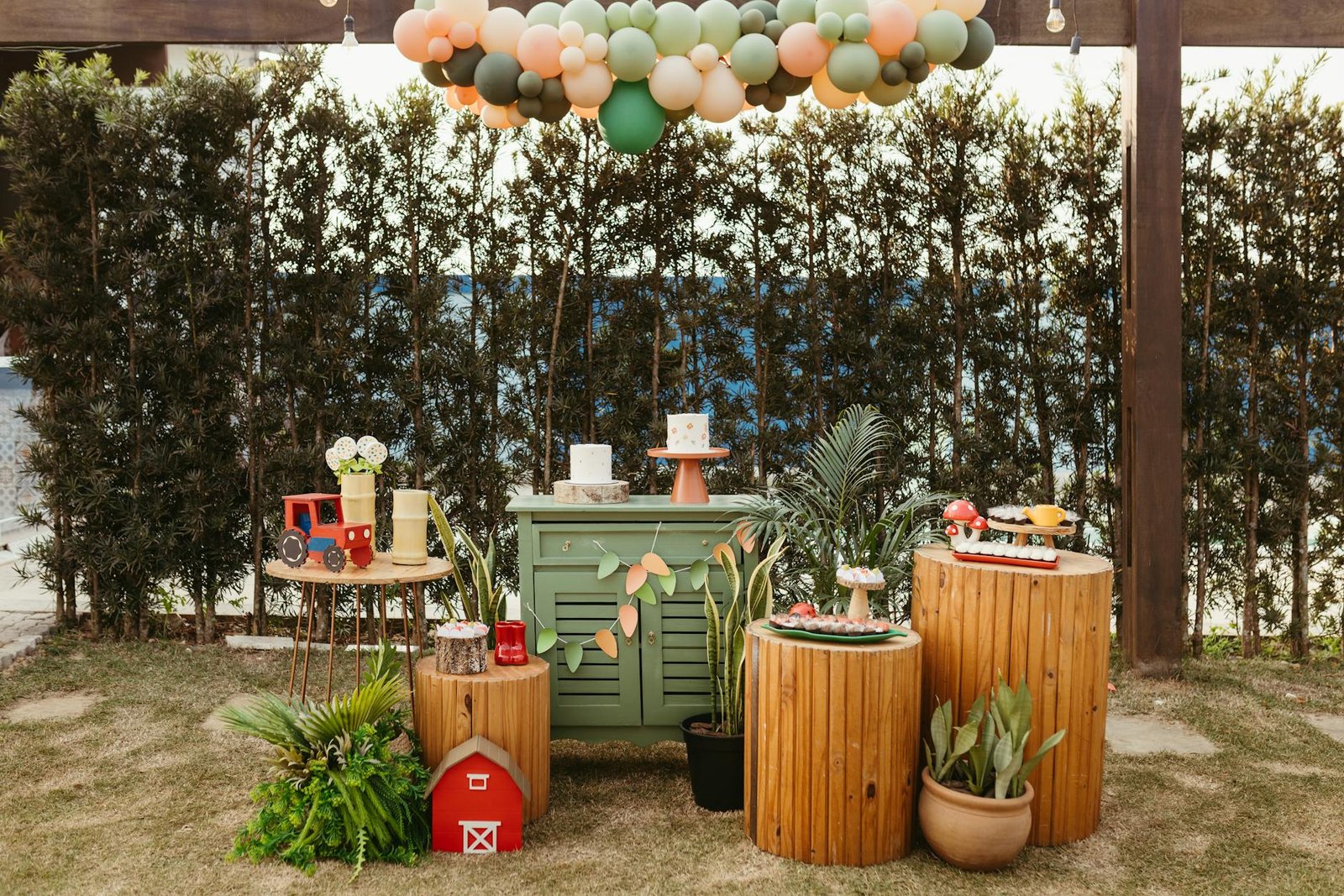
You’ve just finished a beautiful balloon arch for a wedding, the structure is perfect, but the client’s face falls when they see the bare metal poles and the tangle of garland tape holding it all together. They were expecting a flawless, magazine-worthy installation, not a behind-the-scenes look at the hardware. This exact moment of disappointment is what separates hobbyists from professionals, and it’s the precise problem a high-quality arch backdrop cover is designed to solve. I’ve seen this scenario play out dozens of times with decorators who invest hundreds in balloons but skip the finishing touch that makes an arch look expensive and intentional. An arch backdrop cover isn’t just a piece of fabric; it’s the final layer of polish that transforms a DIY project into a premium installation. When you source these materials wholesale, you’re not just buying cloth—you’re investing in the perceived value of your entire service. Let’s break down why the fabric choice matters more than you think and how selecting the right arch backdrop cover can be the difference between a client who simply pays you and one who becomes a raving fan, referring you to all their friends.
The Shift from Bare Frames to Finished Art: Why Covers Became Essential
Five years ago, most balloon arches were built on visible PVC frames or standalone kits, and clients accepted the industrial look as part of the package. The market shift started when high-end wedding planners and corporate event designers began demanding a cleaner, more photographic finish. Social media platforms like Instagram and Pinterest raised the visual standard overnight; clients now bring screenshots where every element is seamless, and a visible pole or strap is considered an amateur mistake. This created a direct demand for a product that could conceal the mechanics of an arch while adding its own aesthetic value. The arch backdrop cover emerged as the solution, evolving from a simple black cloth sleeve to a range of specialized fabrics with different properties for light, texture, and durability. I’ve watched this trend grow from a niche request to a standard line item on quotes from serious decorators. The innovation wasn’t just in making a cover, but in engineering fabrics that work with standard arch kits—like our VastParty stands—using features like reinforced hems with grommets or elastic channels that create a drum-tight, wrinkle-free finish. This product category represents a maturation of the balloon decor industry, moving from craft supply to professional event infrastructure.
Understanding the Core Function of an Arch Backdrop Cover
At its most basic, an arch backdrop cover serves a utilitarian purpose: it hides the frame, tape, and hardware. But the pros know its real value is twofold. First, it creates a unified color field that makes the balloons appear to float magically. A white satin cover, for instance, reflects light evenly, eliminating shadows and making balloon colors pop with more vibrancy against a consistent background. Second, it protects your investment. A quality cover shields the more expensive metal or plastic arch frame from scratches, sun fading, and general wear during transport and storage, directly extending the lifespan of your kit. When you’re sourcing wholesale, you’re looking for a fabric that performs both jobs without adding bulk or complicated setup steps. The right arch backdrop cover should install in under two minutes, using the same poles or clips as the arch itself, because on event day, time is your most precious commodity.
Market Signals and Decorator Demand
The demand signal for specialized arch backdrop cover materials came directly from decorators who were tired of makeshift solutions. I’ve heard countless stories of people using cheap tablecloths, felt, or even bedsheets, only to deal with wrinkling, poor fit, and fabrics that looked fine in person but terrible in professional photography under flash. The wholesale market responded by developing purpose-built fabrics. Satin became the go-to for its reflective sheen, organza for its light-diffusing properties in venues with string lights or uplighting, and spandex for outdoor or multi-day events where weather and handling were concerns. This isn’t a passing fad; it’s a permanent elevation of service standards. When you offer a client the choice between a “standard arch” and a “premium finished arch with satin backing,” you’re not just selling fabric—you’re selling an experience and a guarantee of photographic perfection, which allows you to command a 15-25% price premium with minimal added cost.
Satin Arch Backdrop Covers: The Luxe Standard for Elegant Events
When most people picture a high-end event backdrop, they’re imagining satin. This fabric has become the industry benchmark for weddings, galas, and any event where a sense of luxury is non-negotiable. The reason is in its physical properties: satin weave creates a smooth, glossy surface that reflects light in a soft, even glow. This reflection is key—it bounces flash photography and venue lighting back in a flattering way, eliminating harsh shadows behind your balloon arrangements. I always recommend a satin arch backdrop cover for indoor events where controlled lighting is available, as it performs best under chandeliers, pin spots, or LED washes. From a wholesale perspective, satin is typically made from polyester, which makes it affordable, colorfast, and resistant to wrinkles when it’s of good quality (aim for a fabric weight of at least 100 GSM, or grams per square meter). A common mistake is buying satin that’s too thin; sub-80 GSM material will look cheap, be prone to tearing at the grommets, and may even become slightly transparent under bright lights, revealing the frame beneath.
Working with Satin: Setup and Handling Tips
Handling a satin arch backdrop cover requires a bit of finesse to maintain its luxurious look. The fabric can be prone to showing creases if folded improperly for long periods. The pro method is to roll the cover around a cardboard tube instead of folding it, which prevents hard crease lines. During setup, take the extra 30 seconds to smooth it out with your hands from the center outward before securing it to the frame. Most quality wholesale covers will include reinforced corner patches and brass grommets every 12 inches along the top hem. Use these grommets with zip ties or carabiners to attach the cover tautly to your arch stand; a loose, sagging cover looks unprofessional. For a 10-foot arch, you’ll want a cover that’s about 11 feet wide to allow for a slight gather and a seamless look. Satin’s main weakness is moisture; it’s not ideal for outdoor events where dew or rain is a possibility, as water can spot the fabric.
Color Selection and Client Psychology
Your wholesale color palette for satin covers should focus on versatility. Classic white and ivory are your best sellers, accounting for nearly 70% of wedding-related orders. However, stocking a range of colors like black (for dramatic corporate events), blush pink, navy, and gold can set you apart. The psychology here is powerful. Offering a black satin arch backdrop cover for a product launch or a gold one for an anniversary party shows attention to detail and allows for full thematic integration. When sourcing, ensure the dye is consistent and the color is listed as “wedding-grade” or “photo-stable” to guarantee it won’t fade under event lighting over a 6-8 hour period. This level of detail is what clients pay for when they hire a professional, not just a balloon artist.
Organza Arch Backdrop Covers: Mastering Light and Ethereal Ambiance
If satin is about reflective luxury, organza is about creating atmosphere. This sheer, lightweight fabric is the secret weapon for decorators working in venues with existing fairy lights, uplighting, or for creating a dreamy, ethereal look. An organza arch backdrop cover doesn’t just conceal the frame; it becomes a canvas for light play. When you drape it over an arch and place string lights or an LED strip behind it, the entire fabric glows, creating a halo effect around your balloon installation. This is incredibly effective for evening weddings, sweet sixteen parties, and holiday events. Wholesale organza is usually 100% polyester, which gives it structure while maintaining sheerness. The key specification to look for is the “momme” weight (a measure of fabric density); for backdrop use, aim for 20-30 momme. Lighter than 20 momme may be too flimsy and difficult to keep taut, while heavier weights lose some of the desirable translucent quality.
Layering and Depth with Organza Covers
The real professional technique with organza involves layering. I’ve seen stunning results from decorators who use a double layer of organza in slightly different shades—like ivory over white—to create a subtle, sophisticated depth. You can also layer an organza arch backdrop cover over a satin one. This combines the light-diffusing magic of organza with the solid color base of satin, allowing you to change the ambiance completely by adding or removing the organza layer for different parts of an event (e.g., ceremony vs. reception). When attaching an organza cover, because it’s sheer, you must be meticulous about the frame beneath. Ensure all cables and connectors are neatly bundled, as their silhouette will be visible. Using a white or light-colored frame is essential. The fabric is delicate, so reinforced hems and grommets are non-negotiable; cheap organza will tear where it meets the hardware.
Ideal Use Cases and Venue Synergy
This fabric shines in specific scenarios. For a garden wedding with cafe lights strung overhead, an organza cover will catch and soften that golden glow. In a dark nightclub for a corporate party, an organza cover over a colored LED-lit arch can become a pulsating centerpiece. It’s less suitable for brightly lit conference rooms or daytime outdoor events, where its subtle effects are lost. When discussing this with clients, don’t just sell “organza.” Sell the effect: “a soft, glowing halo that makes your arch look like it’s lit from within.” This language justifies the upgrade. From a wholesale inventory perspective, organza covers are often slightly more expensive per yard than satin due to the weaving process, but their transformative effect allows for a significant markup in your service package.
Spandex Arch Backdrop Covers: The Durable Workhorse for High-Traffic Setups
For event decorators who work festivals, trade shows, multi-day conferences, or outdoor parties, spandex (often referred to as stretch velvet or lycra in the trade) is the undisputed champion. The primary advantage of a spandex arch backdrop cover is its incredible durability and stretch. This fabric can be pulled taut over almost any frame shape without wrinkling, and it springs back after compression, making it perfect for transport in packed vans. It’s also highly resistant to moisture, mildew, and fading from UV exposure, which is a game-changer for outdoor summer events where satin would be ruined by a sudden shower or morning dew. The matte, velvety finish of spandex absorbs light rather than reflecting it, which creates a rich, deep color field that makes bright balloon colors stand out with incredible contrast. This is why you see it so often at brand activations and photo booths—it provides a flawless, non-reflective background.
Engineering and Fit for Spandex Covers
The wholesale manufacturing of a spandex arch backdrop cover is more technical. A good cover is cut on the bias (diagonally to the weave) to maximize its four-way stretch, and it features a sewn channel or sleeve, often with an elastic cord, instead of just grommets. This allows you to slide the cover onto the arch pole like a giant sock, where it grips the frame tightly through tension alone, eliminating any need for additional ties or clips. This design makes setup and teardown remarkably fast—a major advantage when you have a 30-minute window to turn over a ballroom. The fabric weight is critical; look for 250-300 GSM spandex for the right balance of opacity and stretch. Thinner material can become see-through under strong backlighting. Because of its stretch, you can often stock fewer sizes; a cover sized for a 10-foot arch can usually accommodate an 8-foot to 12-foot frame with a slightly different look, from drum-tight to gently gathered.
The Business Case for Spandex in Your Kit
From a business owner’s perspective, spandex offers the lowest cost per event. Its resilience means it withstands hundreds of setups with minimal signs of wear. While the initial wholesale cost per unit might be 20-30% higher than a satin cover, its lifespan can be three to four times longer, especially in high-use scenarios. It’s also the easiest to clean; most spills can be spot-cleaned with water, and the fabric dries quickly. For decorators serving the corporate and festival markets, investing in a suite of spandex arch backdrop covers in company colors or standard sizes (8ft, 10ft, 12ft) is a smart capital expenditure. It reduces your risk of last-minute fabric failures and speeds up your crew’s workflow, allowing you to book more events in a single day. This fabric is less about selling a “luxury feel” to a bride and more about selling “reliable, professional execution” to an event manager.
Technical Deep Dive: Fabric Weights, Treatments, and Hardware Compatibility
Ordering fabric by name alone is a recipe for disappointment. When you source an arch backdrop cover wholesale, you need to speak the technical language to ensure you get a product that performs. Let’s start with fabric weight, measured in GSM. For satin, 100-120 GSM is the professional sweet spot—heavy enough to drape without clinging and to block light effectively. Organza is measured in momme (mm), with 25mm being ideal for a balance of sheerness and strength. Spandex weight is also in GSM, and 280 GSM is a robust standard that won’t sag or become transparent. Beyond weight, inquire about treatments. Is the fabric flame-retardant? For many commercial venues and event spaces, this is a legal requirement, not an option. FR-treated fabric will have a certification, often CPAI-84 or NFPA 701. Is it colorfast? You should be able to get a guarantee that the dye won’t run or fade under standard event lighting for at least 100 hours of exposure.
Hardware Integration: Grommets, Channels, and Fit
The best fabric in the world is useless if it doesn’t attach to your arch kit properly. There are three main attachment systems for an arch backdrop cover. The grommet system is most common for satin and organza; look for brass or reinforced metal grommets placed every 10-12 inches along the top hem. The hole should be reinforced with a fabric patch on the backside to prevent tearing. The channel system, typical for spandex, involves sewing a tunnel along the top edge through which you thread an elastic cord or a rigid pole; this allows for infinite adjustability and a very clean look. The third is a hybrid sleeve, where the cover literally slides over the entire arch frame. Compatibility is key. Before you order 100 units, get a sample and test it on your specific VastParty arch stand or pole kit. Does it fit snugly? Does it install in under two minutes? Does it stay taut if a guest brushes against it? These are the real-world tests that matter.
Certifications and Compliance for Professional Use
If you want to work with hotels, convention centers, or any licensed venue, your materials often need to meet fire safety codes. This isn’t just a suggestion—it’s a barrier to entry. When discussing with a wholesale supplier, explicitly ask for fire-retardant (FR) certificates for the fabrics. A reputable manufacturer will provide test reports. Another often-overlooked aspect is packaging. Professional covers should come individually packed in a clear PVC bag with a labeled hanging loop. This protects them in storage, makes inventory management simple, and presents a professional image to clients when you unpack on site. These technical details might seem minor, but they directly impact your operational efficiency and your ability to land large, lucrative contracts where specifications are non-negotiable.
Real-World Application: Matching Fabric to Event Type and Venue
Theoretical knowledge is fine, but let’s talk about where these fabrics actually go to work. Your choice of arch backdrop cover should be dictated by a simple formula: Event Theme + Venue Conditions + Client Budget = Optimal Fabric. For a classic ballroom wedding with crystal chandeliers, the answer is almost always a white or ivory satin cover. It reflects that elegant light and photographs like a dream. For a rustic barn wedding with Edison bulb string lights, an organza cover will interact beautifully with those point light sources, creating a warm, romantic glow around the arch. For a corporate trade show booth under harsh fluorescent hall lighting, a spandex cover in the company’s brand color provides a crisp, professional, and wrinkle-free background that will look perfect for three straight days, even with people constantly bumping into it. I advise decorators to build a basic inventory of two satin (white, black), one organza (ivory), and one spandex (white or black) covers in their most common arch size. This covers 90% of initial client requests and allows you to showcase options.
Overcoming Venue Challenges with Fabric Choice
Venues present specific challenges that your cover can help solve. Outdoor gardens are windy; a spandex cover, with its tight, sock-like fit, is far less likely to flap noisily or come loose than a grommeted satin cover. Dark, moody nightclubs have low light; a satin or organza cover can help reflect what little light there is, while a black spandex cover would simply disappear. Venues with strict load-out times (like hotels that host multiple events in a day) demand speed; a channel-style spandex cover can be pulled off and packed in 60 seconds flat. Thinking this way turns your arch backdrop cover from a commodity into a strategic tool. When you walk a venue with a client, you can point to these factors: “Because this space has those beautiful uplights on the walls, I recommend an organza cover to catch that light and make your arch the focal point.” This demonstrates expertise and builds trust.
Building Packages and Upselling Clients
You should never present the arch backdrop cover as an afterthought. Integrate it into your service packages from the start. Your “Essential” package might include a basic arch. Your “Premium” or “Platinum” package should explicitly include a “professional finish with satin/organza backdrop cover” as a bullet point. This does two things: it sets a higher-value anchor price, and it educates the client on what professional quality entails. When they see the price difference, they understand they’re paying for polish and perfection. In consultations, have high-quality photos of arches with and without covers. The difference is visually stark. A client might balk at a $75 upcharge for fabric, but when they see that the alternative is a visible metal frame in their wedding photos, the choice becomes obvious. This is how you increase your average ticket value while simultaneously delivering a better product.
Side-by-Side Comparison: A Data-Driven Decision Matrix
Let’s cut through the noise with a direct comparison. This table isn’t based on marketing claims, but on the aggregated feedback from hundreds of decorators we’ve supplied at VastParty. Use it as a cheat sheet when deciding which arch backdrop cover to source or propose for a job.
| Feature | Satin | Organza | Spandex |
|---|---|---|---|
| Primary Best Use | Indoor weddings, galas, photo studios | Evening events, light installations, romantic themes | Outdoor events, trade shows, high-traffic/repeat use |
| Light Interaction | Reflective, even glow | Sheer, diffuses & glows | Matte, absorbs light |
| Durability | Moderate (watch for snags) | Delicate (prone to pulls) | Excellent (high stretch recovery) |
| Weather Resistance | Poor (water spots) | Poor | Excellent (dries quickly, mildew-resistant) |
| Setup/Takedown Speed | Fast (grommets & ties) | Fast (grommets & ties) | Very Fast (slip-on channel) |
| Wrinkle Resistance | Low (requires rolling) | High (sheer hides creases) | Excellent (stretch eliminates wrinkles) |
| Avg. Wholesale Cost (per 10ft cover) | $18 – $25 | $22 – $30 | $28 – $40 |
| Key Wholesale Spec to Check | 100+ GSM, FR Treatment | 20-30 Momme, Reinforced Hem | 280+ GSM, 4-way Stretch |
This matrix reveals why there’s no single “best” fabric. It’s about the right tool for the job. Satin offers the best classic look for the price but requires careful handling. Organza creates unique effects but has limitations. Spandex costs more upfront but pays for itself in durability and labor savings on high-volume jobs. When you’re placing a wholesale order, don’t just buy one type. Start with a mixed palette based on the event mix in your local market. If you do mostly weddings, lean into satin and organza. If you’re targeting corporate clients, spandex should be your first investment.
Wholesale Sourcing Strategy: MOQs, Customization, and Cost Per Use
Sourcing arch backdrop covers wholesale is where you turn a product into a profit center. The first rule is to understand Minimum Order Quantities (MOQs). For standard colors and sizes, a reputable factory might have an MOQ of 50-100 pieces per SKU. This sounds high, but break it down: if you buy 50 white satin covers for a 10-foot arch at $20 each, your total outlay is $1,000. If you rent that arch package for $300 per event and the cover allows you to charge a $75 “premium finish” fee, the cover pays for itself after just 14 rentals, not counting the added value it brings in securing higher-end clients. Many wholesalers, including VastParty, offer mixed-SKU MOQs, allowing you to combine, say, 30 satin, 15 organza, and 5 spandex to hit a 50-piece total. This lets you build a starter inventory without over-committing to one type.
Customization: Logos, Sizes, and Exclusive Colors
Once you’re established, customization is your path to branding and higher margins. The most common customizations are size (non-standard arch widths or heights) and color (matching a specific Pantone for a corporate client). A more advanced move is having your company logo or website subtly printed along the bottom hem of the cover. This turns every installation into branded marketing, as photographers will capture it. Customization MOQs are higher, often 200-500 pieces, but the unit cost can be surprisingly low. For example, ordering 500 custom logo covers might drop your per-unit cost to near the standard wholesale price, but you can now sell them as a “branded professional kit” at a significant premium or use them as a loss leader to win large commercial contracts.
Calculating True Cost and Storage Logistics
The wholesale price tag is just the start. You must calculate the “cost per use.” A $40 spandex cover used 100 times costs $0.40 per event. A $22 satin cover that gets stained and retired after 10 uses costs $2.20 per event. The spandex is clearly more economical for high-volume work. Also factor in storage and logistics. Covers should be stored flat or rolled, not folded, to preserve their appearance. Invest in a simple racking system or large, labeled bins. When you receive a wholesale shipment, inspect every cover for manufacturing defects like uneven hems or missing grommets immediately. A good supplier will have a clear policy for replacing defective units. This due diligence protects your reputation on event day, when a faulty cover is not an option.
Marketing the Upgrade: How to Sell Clients on a Premium Backdrop
You can have the best arch backdrop cover inventory in the world, but if clients don’t understand its value, it sits in your warehouse. Selling this upgrade is about shifting the client’s perspective from seeing it as an extra cost to seeing it as essential insurance for their event’s look. Your primary marketing tool is visual comparison. On your website, in your portfolio, and in proposals, always show two nearly identical photos side-by-side: one arch with a bare frame, and one with a finished cover. The difference is so dramatic it sells itself. Label them “Standard Setup” and “Professional Finish.” In your consultations, use the language of photography and permanence: “The backdrop cover ensures that in every single photo, the focus is on your beautiful balloons and the moment, not on the equipment holding it up. It’s what gives that clean, editorial look you see in magazines.”
Crafting Your Service Tiers
Structure your pricing to guide clients toward the premium option. For example:
- Basic Arch: Balloons installed on our professional frame. (Lists for $X)
- Premium Arch: Includes choice of satin or organza backdrop cover for a flawless, photographic finish. (Lists for $X+75)
- Deluxe Arch Package: Premium arch plus matching swag of backdrop fabric on sweetheart table or gift table. (Lists for $X+150)
This tiered approach makes the upgrade a logical, stepped choice rather than a random add-on. The “Deluxe” tier also helps you use fabric scraps efficiently, increasing your margin.
Targeting the Right Clients
Your marketing focus should differ by client type. For brides, emphasize romance, photography, and Pinterest-perfection. For corporate clients, emphasize branding consistency, professionalism, and durability for multi-day events. For Etsy sellers or other decorators you wholesale to, emphasize the time savings, the professional results it gives their own clients, and the bulk cost savings. Create social media content that shows the “before and after” of putting the cover on, or a slow-motion video of light moving across an organza cover. This demonstrates the value in a way words cannot. Remember, you’re not selling fabric. You’re selling confidence, quality, and an impeccable final product.
Frequently Asked Questions (FAQ)
Q: Can I wash my arch backdrop covers, and if so, how?
A: It depends entirely on the fabric. Satin and organza covers should generally not be machine washed, as it can damage the weave, remove fire-retardant treatments, and cause irreversible wrinkling. Spot clean with a damp cloth and mild detergent, then air dry flat. Spandex covers are much more resilient; most can be gently machine washed on a cold, delicate cycle and hung to dry. Always check the care label from your wholesaler. For all fabrics, immediate attention to spills (like champagne or frosting) is crucial to prevent stains from setting during an event.
Q: What size arch backdrop cover do I need for my frame?
A: The cover should be 1 to 2 feet wider than the total width of your arch frame and about 6-12 inches taller than the arch’s height at its center point. This allows for a slight gather and ensures full coverage from all angles. For a standard 10-foot wide by 7-foot tall arch kit, an 11-foot wide by 8-foot tall cover is ideal. Most wholesale suppliers stock covers in these standard event sizes. If you have a custom or irregularly shaped frame, provide the exact dimensions to your supplier for a custom quote; it’s often more affordable than you think at volume.
Q: Are these fabrics fire-retardant? Is that necessary?
A> Many wholesale fabrics, especially those intended for event use, are available with fire-retardant (FR) treatment. It is not just necessary but often legally required by venue insurance policies for indoor events. Always specify that you need FR-certified fabric when ordering. A reputable supplier will provide the test certification (like CPAI-84). Using non-FR fabric in a commercial venue can void insurance policies and put you at significant liability. The cost increase for FR treatment is minimal compared to the risk and is a standard expectation for professional work.
Q: How do I attach the cover to my metal arch stand without damaging it?
A> The attachment method is built into the cover’s design. For grommeted styles (satin/organza), use plastic zip ties, velcro straps, or carabiners through the grommets to secure it to the frame’s poles. Avoid metal hooks that can snag the fabric. For channel-style spandex covers, you typically slide the arch pole directly through the sewn channel, or thread an elastic cord through the channel and tighten it. The goal is a snug, drum-tight fit without excessive force that could tear the seams. The cover should not bear any structural weight; the frame holds itself up.
Q: Which fabric is best for outdoor events?
A> For outdoor events, spandex is the clear winner due to its moisture resistance, UV stability, and ability to withstand wind without excessive flapping. Satin and organza are highly susceptible to water spotting, sun fading, and can be torn by strong gusts. If you must use satin outdoors for a specific look, have a backup plan for sudden weather and ensure it’s thoroughly secured. For a blend of aesthetics and durability, some decorators use a spandex cover as a base layer and temporarily clip a sheer organza layer over it for the ceremony, removing it if the weather turns.
Q: How many covers should I start with in my inventory?
A> Start with a minimal, versatile kit based on your most common arch size. A solid starter inventory for a new business might be: 3x White Satin, 2x Black Satin, 2x Ivory Organza, and 2x Black Spandex covers for your primary arch size (e.g., 10ft). This gives you options for most wedding and corporate requests. As you book events, you’ll quickly see which types are most popular in your market and can adjust your next wholesale order accordingly. It’s better to have a small, high-quality inventory you can rent repeatedly than a large stock of cheap, poor-performing covers.
The journey from a functional balloon arch to a breathtaking installation is bridged by the thoughtful selection of your arch backdrop cover. It’s the detail that clients may not explicitly ask for, but one they deeply appreciate when they see the final, polished result and the stunning photographs that follow. By understanding the distinct personalities of satin, organza, and spandex, you equip yourself to make informed wholesale purchases that align with your target market and operational style. This isn’t about following a trend—it’s about mastering a fundamental component of professional event decor that increases your perceived value, protects your equipment, and streamlines your setup. At VastParty, we’ve built our wholesale programs around providing decorators with these precise, performance-driven materials because we’ve seen firsthand how they transform businesses. Ready to elevate your arch presentations? Explore our curated selection of professional-grade arch backdrop covers and contact our team to discuss a wholesale sample order tailored to your most common event specifications. Let’s build something impressive together.