Contact Us



Party Supply Business 101: How to Source, Stock and Sell Profitably
Party Supply Business 101: How to Source, Stock and Sell Profitably is the ultimate roadmap for anyone looking to launch or scale a successful party supply business—whether you’re starting a small online shop, a brick-and-mortar store, or a hybrid model. The global party supply market is projected to reach $225.34 billion in 2026, with a 6.61% CAGR through 2035, making it a lucrative niche for entrepreneurs. But success isn’t just about selling balloons, tableware, or candy boxes—it’s about mastering three core pillars: smart sourcing, strategic inventory management, and targeted selling. This guide breaks down each step with real-world insights, 2026 industry data, and common pitfalls to avoid, so you can build a profitable business that stands out in a competitive market.
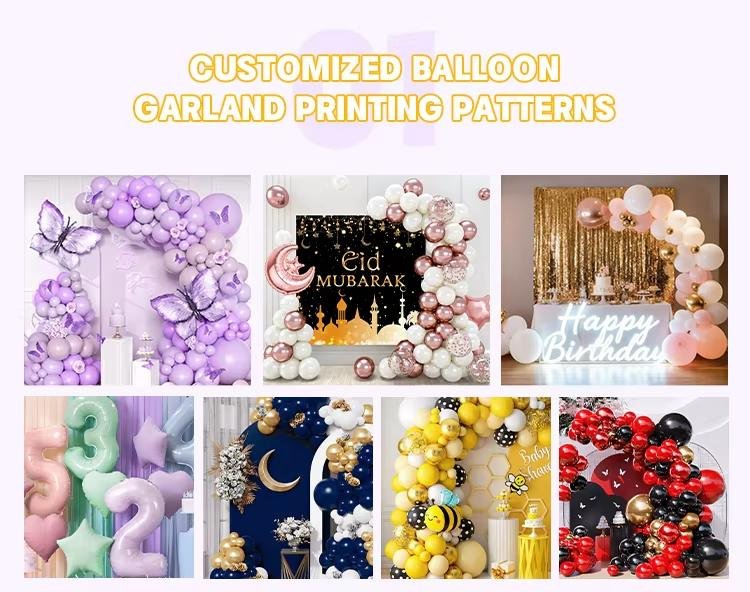
As someone who’s helped dozens of party supply entrepreneurs launch and scale their businesses over the past 8 years, I’ve seen firsthand what separates successful shops from those that fizzle out. The biggest mistake new owners make? Skipping the groundwork—they rush to source cheap products, overstock on trendy items that don’t sell, and struggle to reach their target customers. Party Supply Business 101: How to Source, Stock and Sell Profitably fixes that by focusing on actionable, proven strategies that align with 2026’s market trends, from eco-friendly products to DIY party kits and personalized decor.
Pillar 1: Sourcing Profitably – Find Reliable Suppliers & Negotiate the Best Deals
Sourcing is the foundation of a profitable party supply business—if you pay too much for products, or work with unreliable suppliers, your profit margins will shrink, and your customers will lose trust. In 2026, the best sourcing strategies balance quality, cost, and flexibility, with a focus on building long-term supplier relationships.
How to Find the Right Suppliers (2026’s Top Options)
Gone are the days of relying solely on local wholesalers—today’s most profitable party supply businesses source globally to get the best prices and variety, while also keeping a mix of local suppliers for quick restocks. Here’s how to find reliable partners:
• Global Wholesale Platforms: Alibaba International, Made-in-China, and Global Sources are go-to for bulk party supplies, especially balloon sets, paper tableware, and decorative items. Look for suppliers with verified factory certifications (BSCI, ISO) and a track record of working with small businesses—many now offer flexible minimum order quantities (MOQs) of 50–100 units, perfect for startups. For example, VastParty (a leading party supply factory) offers factory-direct pricing on balloon arch kits, eco-friendly latex balloons, and custom candy boxes, with MOQs as low as 50 units for new businesses.
• Domestic Wholesalers & Trade Shows: For faster shipping and easier communication, partner with domestic wholesalers (e.g., Party City’s wholesale division for North America, or UK-based PartyDelights for Europe). Attend trade shows like the National Party Supply Association (NPSA) Expo or Canton Fair to meet suppliers in person, test products, and negotiate better deals—this is how many successful owners find exclusive products before they hit the mainstream.
• Specialty Suppliers: For niche products (e.g., eco-friendly compostable balloons, custom-printed party favors, or luxury tableware), work with specialty suppliers. These products often have higher profit margins (50–70%+) because they cater to specific customer needs, like eco-conscious couples or high-end event planners.
Negotiation Tips to Boost Margins
Even the best suppliers are open to negotiation—here’s how to get the best terms:
1. Buy in Bulk (Strategically): While overstocking is risky, buying core products (e.g., basic latex balloons, solid-color tableware) in larger quantities can lower your per-unit cost by 10–20%. Use 2026’s market data to identify evergreen products—birthday balloons, standard tableware, and gift bags account for 46% of party supply sales, so these are safe to bulk buy.
2. Ask for Discounts for Repeat Orders: Most suppliers offer 5–10% discounts for repeat customers. If you commit to monthly or quarterly orders, use that to negotiate better pricing or free shipping—shipping costs can eat into margins by 15–20%, so free or discounted shipping is a game-changer.
3. Test Samples First: Never commit to a large order without testing samples. A $50 sample order can save you thousands in lost revenue from low-quality products (e.g., balloons that pop easily, paper plates that leak). Reputable suppliers will send free or low-cost samples to build trust.
Pillar 2: Stocking Strategically – Avoid Overstock & Maximize Cash Flow
Inventory management is where many party supply businesses fail—overstocking on trendy items that fizzle out, or running out of best-sellers during peak seasons, can kill your cash flow. Party Supply Business 101: How to Source, Stock and Sell Profitably emphasizes “lean inventory” – stocking the right products, in the right quantities, to meet demand without tying up your money.
How to Choose What to Stock (2026’s Top-Selling Categories)
Focus on a mix of evergreen products (consistent sellers year-round) and seasonal/trendy items (high-demand for short periods) to balance stability and growth. Here’s the breakdown for 2026:
• Evergreen Products (60–70% of Inventory): These are your bread and butter—basic latex balloons (12-inch, solid colors), disposable paper tableware (plates, napkins, cups), gift bags, ribbons, and balloon pumps. These products have steady demand, low risk, and profit margins of 30–50% for mid-ticket items like tableware and 300–500% for balloons.
• Seasonal Products (20–25% of Inventory): Align with holidays and peak celebration seasons—Halloween costumes and decor (August–October), Christmas party supplies (November–December), Valentine’s Day balloons and favors (January–February), and wedding decor (spring–summer). Use 2026’s demand data: North America accounts for 38% of the global market, so focus on U.S./Canadian holidays if targeting that region.
• Trendy Products (5–10% of Inventory): 2026’s top trends include eco-friendly compostable party supplies (76% of consumers prioritize these), DIY party kits (balloon arch kits, birthday decoration sets), and personalized items (custom-printed balloons, monogrammed candy boxes). These products have higher margins but higher risk—stock small quantities first to test demand.
Inventory Management Tips to Avoid Overstock
1. Track Inventory Turnover: Use the inventory turnover ratio (sales cost ÷ average inventory balance) to measure how quickly products sell. Aim for a turnover ratio of 8–10 for evergreen items (meaning you sell out and restock 8–10 times a year) and 4–6 for seasonal items. Tools like QuickBooks or Rentrax can automate this tracking, so you always know what’s selling and what’s sitting on shelves.
2. Use the 80/20 Rule: 80% of your sales will come from 20% of your products. Identify your top-selling items (e.g., a specific balloon arch kit or tableware set) and prioritize restocking those—don’t waste space on slow-moving products. For example, a small online party supply shop in Canada found that 75% of their sales came from 20% of their inventory (DIY balloon kits and eco-friendly tableware), so they shifted their focus to those items and increased profits by 30%.
3. Plan for Peak Seasons: Order seasonal products 2–3 months in advance to avoid stockouts. For example, order Halloween decor in June–July, and Christmas supplies in September–October. Use past sales data (or industry benchmarks) to estimate demand—if you sold 500 Halloween balloon sets last year, order 600 this year to account for growth, but not 1,000 (unless you’re sure demand will spike).
4. Clear Slow-Moving Inventory: Don’t let unsold products tie up cash. Offer bundle deals (e.g., “Buy a balloon set + tableware, get 20% off”) or discount slow-moving items by 30–40% to clear space for new inventory. A Florida-based party supply store did this with last year’s Valentine’s Day decor, turning $2,000 in unsold stock into $1,400 in revenue—better than letting it collect dust.
Pillar 3: Selling Effectively – Reach Your Target Audience & Boost Sales
Even the best products won’t sell if no one knows about them. Party Supply Business 101: How to Source, Stock and Sell Profitably focuses on targeted selling strategies that reach your ideal customers—whether they’re parents planning a birthday party, event planners organizing corporate events, or couples preparing for their wedding.
Choose the Right Sales Channels (2026’s Most Profitable Options)
The most profitable party supply businesses use a mix of online and offline channels to reach customers. Here’s how to choose the right ones for your business:
• Online Channels:
– Your Own Website (Shopify, WooCommerce): Build a branded website to sell directly to customers—this lets you keep 100% of profits (no platform fees) and build customer loyalty. Optimize your site for SEO with keywords like “DIY balloon arch kits” or “eco-friendly party supplies” to attract organic traffic.
–Marketplaces (Amazon, Etsy, eBay): These platforms have built-in traffic—Etsy is perfect for handmade or personalized party supplies, while Amazon is great for bulk items and evergreen products. Expect to pay 10–15% in platform fees, but the increased visibility is worth it for startups.
– Social Media (Instagram, TikTok, Pinterest): Use short videos to showcase your products—e.g., a time-lapse of a balloon arch build, or a tutorial on setting up a DIY party kit. Partner with micro-influencers (10k–50k followers) in the party/event niche to promote your products—this is 3x more cost-effective than paid ads in 2026.
• Offline Channels:
– Brick-and-Mortar Store: If you have the budget, a physical store in a high-traffic area (near party venues, schools, or residential neighborhoods) can drive impulse sales. Use visual merchandising—display balloon arches in the window, and group complementary products (e.g., balloons + ribbons + pumps) together to boost average order value.
– Local Partnerships: Partner with event venues, wedding planners, and party planners to become their go-to supplier. Offer a 10–15% discount for bulk orders—this builds recurring revenue and word-of-mouth referrals. A small party supply business in the UK partnered with 5 local wedding venues and increased monthly sales by $4,000.
Pricing Strategies to Maximize Profits
Pricing is tricky—charge too much, and customers will go to competitors; charge too little, and you’ll barely break even. Use these 2026-proven strategies:
1. Markup Based on Product Type: Follow industry benchmarks: low-ticket items (ribbons, small balloons) = 20–30% margin; mid-ticket items (tableware, standard balloon sets) = 30–50% margin; high-ticket items (custom decor, luxury kits) = 50–70%+ margin. Use the formula: product price = product cost ÷ (1 – desired profit margin) to set prices.
2. Offer Bundles: Bundles increase average order value by 30–40%. For example, “Birthday Party Bundle” (10 balloons, 1 tablecloth, 16 plates, 16 napkins) priced at $29.99—cheaper than buying each item separately, but more profitable for you.
3. Use Dynamic Pricing for Seasonal Items: Increase prices by 10–20% during peak seasons (e.g., Halloween, Christmas) when demand is high, and lower prices by 30–40% after the season to clear inventory. This balances profit and inventory turnover.
Common Pitfalls to Avoid (2026’s Biggest Mistakes New Owners Make)
Even with the right strategies, it’s easy to make mistakes. Here are the most common pitfalls and how to avoid them:
1. Overstocking Trendy Items: Trends fade fast—if you stock 500 of the latest “viral” balloon design and it stops selling, you’ll be stuck with unsold inventory. Stick to small test orders for trendy items first.
2. Ignoring Customer Feedback: Your customers know what they want—if they’re asking for more eco-friendly options or larger balloon arch kits, listen to them. A California-based shop added compostable balloons after customer requests and saw a 25% increase in sales.
3. Underestimating Shipping Costs: Party supplies are often lightweight but bulky, which can make shipping expensive. Factor shipping costs into your pricing, or offer free shipping for orders over a certain amount (e.g., $50) to encourage larger purchases.
4. Neglecting Customer Service: In a competitive market, customer service sets you apart. Respond to inquiries within 24 hours, offer easy returns, and follow up after purchases—this builds loyalty and repeat business (repeat customers spend 67% more than new customers).
Final Thoughts: Build a Profitable Party Supply Business in 2026
Party Supply Business 101: How to Source, Stock and Sell Profitably boils down to three simple principles: source smartly (partner with reliable suppliers, negotiate well), stock strategically (focus on evergreen products, avoid overstock), and sell effectively (reach your target audience, price for profit). With the global party supply market growing steadily, 2026 is the perfect year to launch or scale your business—you just need the right roadmap.At VastParty, we’re here to help you succeed. We offer factory-direct party supplies—from balloon sets and arch stands to paper tableware and custom candy boxes—with flexible MOQs, competitive pricing, and reliable shipping. Whether you’re a new entrepreneur or looking to expand, we can be your trusted sourcing partner. Explore our full product catalog on our official website: www.vastparty.com