Contact Us
Eco-Friendly Biodegradable Balloons: Responding to Sustainability Demands in the Party Supplies Market
Eco-Friendly Biodegradable Balloons: Responding to Sustainability Demands in the Party Supplies Market
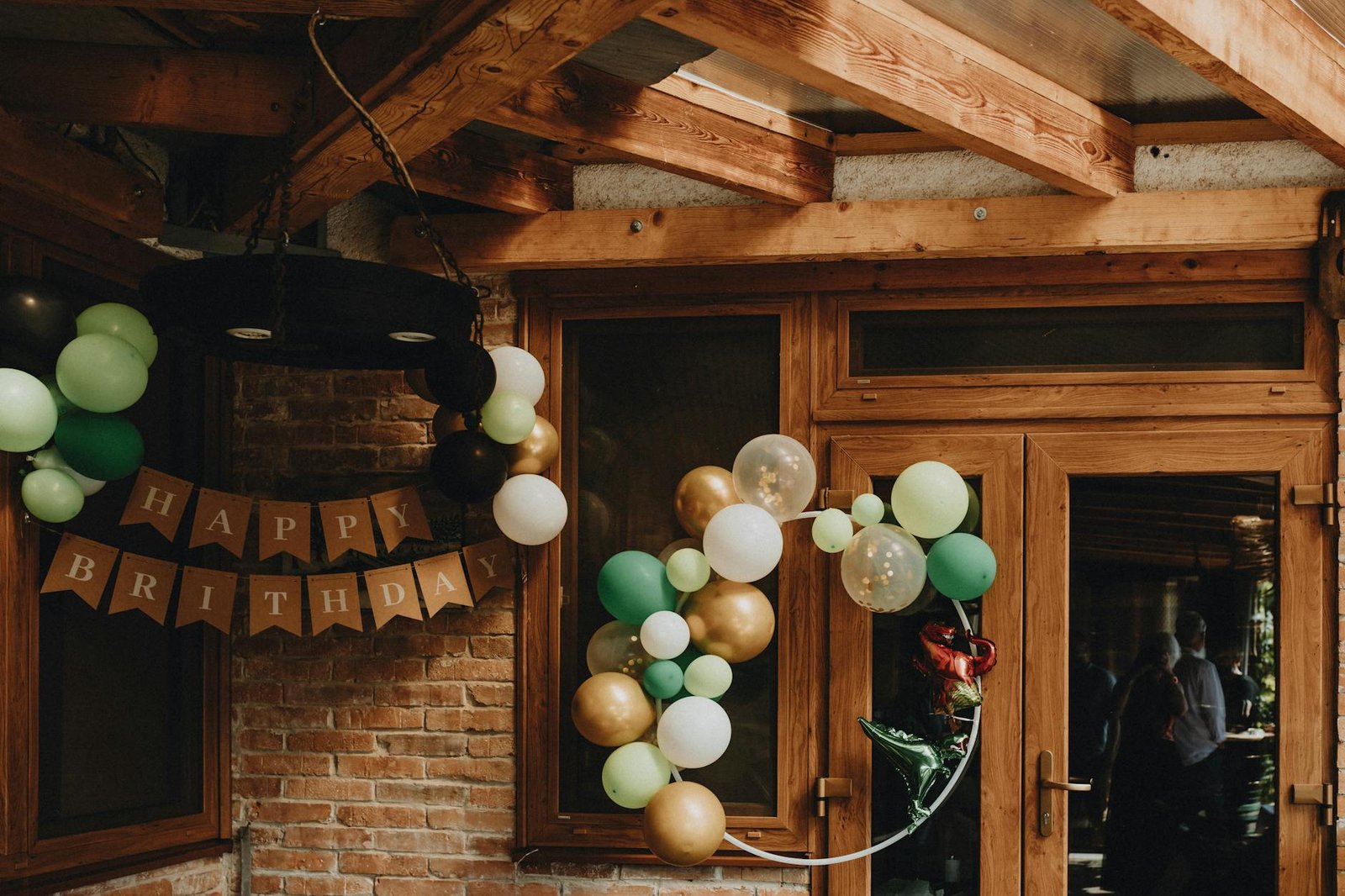
You’re reviewing the final checklist for a high-end wedding client who just emailed a last-minute request: “We love the balloon installation design, but we need to ensure everything is eco-friendly.” The venue is a pristine botanical garden, and the couple is adamant about minimizing their environmental footprint. You’ve used standard latex before, but you’re not sure if “biodegradable” is just a marketing term or a real product category you can trust. This exact moment of client pressure is where understanding the nuances of biodegradable balloons wholesale becomes the difference between closing a premium sale and scrambling for alternatives. I’ve watched dozens of decorators pivot their entire business model after realizing that sustainable party supplies aren’t a niche trend but a fundamental shift in client expectations. The demand isn’t coming just from eco-warriors; it’s from corporate event planners needing CSR points, venues with strict waste policies, and parents who want a beautiful first birthday party without the plastic guilt. Let’s cut through the greenwashing and talk about what genuine, certified biodegradable balloons wholesale sourcing looks like, how the materials actually perform compared to traditional options, and why getting this right now can position your business as a leader for the next decade.
What Actually Makes a Balloon Biodegradable? The Science Behind the Label
When you start looking into biodegradable balloons wholesale options, you’ll immediately encounter a jungle of terms: natural latex, organic, compostable, and eco-friendly. The core innovation isn’t about creating a brand-new polymer; it’s about refining and certifying a natural process. True biodegradable balloons are made from 100% natural latex, which is a milky sap harvested from rubber trees (Hevea brasiliensis). This sap is a complex emulsion of polymers, proteins, and resins that, when processed correctly, will break down through microbial action in the environment. The key differentiator from standard latex balloons lies in the entire manufacturing pipeline. From the plantation management—where sustainable tapping methods preserve tree health—to the compounding stage, where additives are strictly controlled. Many standard latex balloons use chemical accelerators and antioxidants to speed up vulcanization and prevent aging on the shelf. In contrast, premium biodegradable formulations minimize these synthetic additives, relying instead on modified processing times and natural stabilizers. This results in a product that maintains excellent elasticity and inflation characteristics while ensuring that, once its life as decor is over, it will decompose at a rate similar to an oak leaf, typically within 6 months to 2 years under ideal composting conditions, compared to synthetic foils or metallized plastics that persist for decades.
Understanding the Base Material: Natural Latex vs. Synthetic Blends
The first checkpoint in any biodegradable balloons wholesale inquiry should be the material composition. Ask your supplier for a technical data sheet. You want to see “100% natural latex” explicitly stated. Some manufacturers blend synthetic rubber or plasticizers to cut costs, which severely hampers biodegradability. Natural latex itself is biodegradable, but the devil is in the details of the compounding process. The vulcanization process, which uses sulfur to create cross-links between polymer chains, is necessary for elasticity. The pro-grade biodegradable balloons use food-grade or minimal sulfur compounds and avoid heavy metal catalysts like zinc oxide in high concentrations. The colorants are another critical factor. Look for balloons dyed with pigments that meet EN71-3 or ASTM F963 safety standards, which restrict heavy metals like lead, cadmium, and mercury. These pigments are often more expensive but are designed to be inert and not interfere with the microbial breakdown process. When you hold a quality biodegradable balloon, it should feel slightly different—often a bit softer and with a more matte finish than the high-gloss, plastic-like feel of a cheap latex balloon. This tactile difference is a quick, real-world test before you even check the certification.
The Lifecycle of a Biodegradable Balloon: From Tree to Compost
To confidently market these products, you need to understand their journey. It starts in managed rubber plantations, primarily in Southeast Asia. Sustainable sourcing means the trees are tapped without harming them, allowing for a harvest cycle that can last over 20 years. The liquid latex is stabilized with ammonia (a natural compound) for transport to processing facilities. Here, it’s centrifuged to concentrate the rubber particles, and then compounded with the necessary vulcanizing agents, antioxidants (often plant-based like tocopherols), and colorants. After dipping forms into the compound and curing, the balloons are stripped, leached to remove water-soluble proteins (which reduces allergen risk), and dried. When a consumer uses and eventually disposes of the balloon, the biodegradation process requires oxygen, moisture, and the right microbial community. In a home compost pile or a managed industrial composting facility, microorganisms recognize the natural polymers as a food source. They secrete enzymes that break the long polymer chains into smaller molecules, eventually producing carbon dioxide, water, and biomass. This is a stark contrast to oxo-degradable plastics, which just fragment into microplastics. A genuine biodegradable balloons wholesale product completes a natural cycle, which is a powerful story for your clients.
Technical Deep Dive: Certifications, Materials, and Performance Metrics
Navigating the world of certifications is where most decorators get lost, and suppliers often exploit this confusion. You can’t just take a claim of “biodegradable” at face value. The gold standard for verification is third-party laboratory testing according to international norms. The most recognized standard is ASTM D5526 (or its European equivalent EN 13432), which specifies the requirements for packaging recoverable through composting and biodegradation. Testing involves placing material samples in a controlled compost environment and measuring the rate of conversion to carbon dioxide over 180 days. To pass, 90% of the organic carbon must convert within that period. Another key certification is OK compost HOME or INDUSTRIAL, issued by TÜV Austria. This tells you and your end-client the specific composting conditions required. For a biodegradable balloons wholesale business, stocking products with these certifications is a non-negotiable for credibility. Beyond biodegradability, you need to assess performance metrics: burst strength, elongation at break, and shelf life. High-quality biodegradable 11-inch balloons should have a burst strength of at least 14 psi and can typically elongate to 500-600% of their original length. Shelf life is slightly shorter than conventional latex—expect 2-3 years in optimal, cool, dark storage versus 3-5 for standard balloons—because the natural antioxidants are less aggressive. This is a trade-off for sustainability, and you need to manage inventory rotation accordingly.
Key Certifications to Demand from Your Wholesale Supplier
When evaluating a biodegradable balloons wholesale supplier, your first question should be about certifications. Don’t accept vague promises; ask for scanned copies of the test reports. Here’s your checklist: 1. ASTM D5526 or EN 13432 Test Report: This is the core proof of biodegradability in composting conditions. 2. Heavy Metal Test (EN71-3 or ASTM F963): Essential for children’s product safety, especially for party balloons. 3. Latex Protein Content Test (ASTM D6499): Measures residual proteins that can cause allergic reactions. The best products are low-protein. 4. Forest Stewardship or Sustainable Natural Rubber Certifications: Indicates responsible sourcing of the raw latex. 5. ISO 14001 (Environmental Management): Shows the manufacturer has a system to minimize environmental impact in their factory. If a supplier hesitates or cannot provide these within a reasonable timeframe, consider it a major red flag. The cost of certified balloons is higher—wholesale prices can range from $0.18 to $0.45 per 11-inch balloon depending on color, quantity, and certification level—but this documentation is what allows you to charge a premium and defend your product claims to discerning clients.
Material Specifications and Shelf-Life Management
Let’s get into the nitty-gritty specs you need for ordering and client consultations. A standard 11-inch biodegradable latex balloon, when uninflated, has a length of about 11 inches and a width of about 5 inches. When hand-inflated for decor, professionals typically inflate them to 9 inches in diameter for a firm, long-lasting finish. The wall thickness is crucial; it’s usually between 0.15mm and 0.25mm. Thinner walls make for easier inflation and a softer look but may be slightly more prone to premature popping. The neck length is another practical detail—look for a neck of at least 1.5 inches to make tying easier and to provide a good seal for helium if needed (though for true sustainability, air-filled installations are preferred). Regarding shelf life, store your biodegradable balloons wholesale inventory in a cool, dry place away from direct sunlight and ozone sources (like motors or electrical equipment). I recommend using a first-in, first-out (FIFO) inventory system and clearly marking your stock with the manufacturer’s production date. While the product is decomposing in nature, you don’t want it starting on your shelf. Proper storage ensures you deliver a product that performs flawlessly at the event, which is just as important as its end-of-life properties.
Real-World Applications: From Botanical Weddings to Corporate Galas
The beauty of biodegradable balloons wholesale products is that they don’t force you to compromise on design aesthetics. In fact, they open doors to venues and clients previously out of reach. Consider the high-end wedding at a national park or protected beach where traditional balloons are strictly prohibited. With certified biodegradable options, you can often get special permitting because the venue managers understand the product will break down naturally. The application extends beyond just arches and centerpieces. Think about large-scale balloon drops for corporate celebrations—using biodegradable confetti-filled balloons ensures a spectacular moment without leaving permanent waste. For children’s parties, especially outdoor events in backyards or community parks, parents are increasingly anxious about balloon debris and wildlife hazards. Offering a biodegradable solution directly addresses this concern and can be a key selling point that justifies your service fee over a competitor’s. The performance is virtually identical during the event; they hold helium for 8-16 hours (slightly less than standard latex due to different permeability, but still ample for most events) and hold air for weeks. The key is communicating this versatility to your clients, showing them that choosing sustainable doesn’t mean choosing boring or fragile decor.
Venue-Specific Strategies and Client Conversations
Your approach varies by venue type. For upscale hotels and convention centers with their own sustainability mandates, come prepared with your certifications. Frame the biodegradable balloons as part of their green event scorecard. For outdoor natural venues (gardens, farms, vineyards), focus on the safety aspect for wildlife and soil health. For corporate clients, the language shifts to ESG (Environmental, Social, and Governance) reporting and brand alignment. Have a ready-made case study or a simple one-pager that outlines the product lifecycle. In your initial client consultation, weave it in naturally: “For installations in the garden, we use certified biodegradable latex that breaks down like a leaf, so we can create that stunning entrance arch without any environmental concern for the venue.” This isn’t an add-on; it’s positioned as a standard part of your responsible service. Be prepared for the cost question. A full biodegradable installation might carry a 15-30% material cost premium. Explain this as an investment in their event’s legacy and align it with other premium choices they are making, like organic catering or floral designers who use local blooms.
Biodegradable vs. Traditional Latex: A Side-by-Side Comparison
To make informed purchasing and sales decisions, you need a clear, factual comparison. Let’s lay it out in a way that helps you explain the trade-offs to clients and to your own business’s bottom line.
| Feature | Biodegradable Balloons (Certified) | Traditional Latex Balloons |
|---|---|---|
| Core Material | 100% Natural Latex, minimal synthetic additives. | Natural latex blended with synthetic polymers, plasticizers, and chemical accelerators. |
| Biodegradation Time | 6-24 months in compost conditions. | Can take several years to decades, process is slower and less complete. |
| Key Certifications | ASTM D5526, EN 13432, OK compost. | Generally lacks specific biodegradability certifications. |
| Typical Shelf Life | 2-3 years under optimal storage. | 3-5 years. |
| Helium Float Time (11-inch) | 8-16 hours (varies with conditions). | 12-24 hours. |
| Burst Strength / Durability | High, but can be slightly more sensitive to ozone/sunlight. | Very high, often more resistant to immediate environmental factors. |
| Cost (Wholesale per balloon) | $0.18 – $0.45 | $0.08 – $0.25 |
| Market Positioning | Premium, eco-conscious events, permit-sensitive venues. | General party use, cost-sensitive events. |
The table shows the clear trade-off: cost and a slight reduction in float time for a massively improved environmental profile and access to a growing premium market. For your business, this isn’t about replacing all your stock. It’s about adding a specialized, high-margin product line. When sourcing biodegradable balloons wholesale, you’re not just buying a commodity; you’re investing in a credential that allows you to command higher prices and attract a more discerning clientele. The slightly shorter shelf life means you need to be more strategic with inventory, but the margin per balloon can be 50-100% higher than standard latex, making it a profitable niche.
The Market Shift: Why Sustainable Decor Is Now Non-Negotiable
The demand for biodegradable balloons wholesale isn’t a passing fad driven by a few influencers; it’s a structural change in the event industry. The data points are everywhere. Venues are writing sustainability clauses into their vendor contracts. Municipalities are banning the release of balloons (especially foil/Mylar) due to marine litter concerns. Corporate clients have dedicated sustainability officers reviewing every aspect of an event’s carbon and waste footprint. On the consumer side, a 2023 survey by a major event planning platform found that over 60% of couples planning weddings considered environmental impact a “important” or “very important” factor in vendor selection. This creates a cascading effect. Wedding planners, to stay competitive, must offer sustainable options. They, in turn, demand them from their decorators and florists. As a wholesaler or decorator, if you’re not having conversations about product origins and end-of-life now, you will be within the next 18 months. The shift is also economic: sustainable events often have larger budgets. Clients willing to pay for ethical sourcing are also willing to pay for design excellence, meaning your average order value (AOV) can increase significantly when you lead with your green credentials backed by genuine products like certified biodegradable balloons.
Following the Money: Client Budgets and Willingness to Pay
Let’s talk numbers, because that’s what changes business strategy. In my experience working with decorators who have adopted a biodegradable balloons wholesale line, the client profile changes. You move away from competing on the lowest price for basic balloon bunches. Instead, you’re proposing comprehensive, design-forward installations where the balloons are one element of a sustainable story. These clients have budgets that are 20-50% higher. They understand the value of certification and are often relieved to find a vendor who has done the legwork. For example, a simple 10-foot balloon arch with standard latex might be priced at $300-$400 for materials and labor. The same arch, marketed as a “Zero-Waste Certified Biodegradable Installation,” can be priced at $450-$600. The material cost increase might be $40-$60, but the perceived value—and your justified profit margin—increases by $100-$200. This is the power of moving from a commodity to a specialty. The clients are out there; they’re the ones asking their caterer about compostable tableware and their florist about foam-free mechanics. Your job is to make sure you’re on their list of vendors who “get it.”
Sourcing Advantages: Navigating Wholesale Pricing and Minimums
When you decide to stock biodegradable balloons wholesale, your choice of supplier becomes critical. Sourcing directly from specialized manufacturers, like those we work with in China, offers significant advantages but requires knowledge. The first advantage is cost scalability. While the per-unit price is higher than standard latex, the wholesale discounts at volume are substantial. For example, ordering a master carton of 10,000 pieces of a single color might bring the unit cost down to $0.20-$0.25, whereas a test order of 500 pieces might be $0.35-$0.40 each. The second advantage is customization. Leading factories can offer custom colors (with minimum order quantities of 50,000+ pieces per color) and private labeling on the bags, which is invaluable for Etsy sellers or brands building recognition. The third advantage is consolidated shipping. By sourcing multiple sustainable products—biodegradable balloons, paper garlands, compostable tableware—in one container load, you drastically reduce your per-item shipping cost and carbon footprint from transport. The key is to find a supplier who is transparent about their certifications and can provide batch-specific test reports. Don’t be afraid to ask for samples before placing a large order; test the inflation, tie-off, and colorfastness yourself.
Building a Profitable Wholesale Strategy for Biodegradable Balloons
Your strategy shouldn’t be to replace all inventory overnight. Start with a curated palette. Identify the 10-15 most requested colors for weddings and upscale events—think dusty rose, sage green, navy, mustard, and metallic gold (achieved with biodegradable pigment, not foil laminate). Order these in a medium quantity, perhaps 1,000-2,000 of each color, to gauge demand. Partner with a supplier that offers flexible MOQs (Minimum Order Quantities). Some factories allow mixed-color cartons, which is perfect for testing the market. When calculating your landed cost, remember to include duty, shipping, and insurance. For a sea freight shipment from China to a US port, expect production to take 14-21 days and shipping another 30-45 days. Plan your inventory purchases 3-4 months in advance of your peak season. This forward planning is essential for a successful biodegradable balloons wholesale operation because you’re dealing with a product that has a more defined shelf life and a longer lead time due to its specialized nature. The payoff is a product line that competitors can’t easily copy without the same sourcing relationships and technical knowledge.
Your Target Buyer: Understanding Who Wants Eco-Friendly Balloons and Why
The market for biodegradable balloons wholesale breaks down into several distinct segments, each with its own motivations. Understanding these helps you tailor your marketing and sales approach. 1. The Professional Wedding & Event Planner: This is your primary B2B buyer. They need reliable, beautiful products that fulfill their clients’ sustainability requests. They value consistency of color, on-time delivery, and your ability to provide documentation (certifications) they can pass to their client and the venue. They often buy in bulk for multiple events. 2. The Etsy/E-Commerce Seller: They are building a brand around sustainability or unique party kits. They want smaller MOQs, private label options, and eye-catching product photography they can use. They are highly sensitive to packaging—eco-friendly mailers are a plus. 3. The Eco-Conscious Retail Party Store: A brick-and-mortar store looking to differentiate itself from big-box retailers. They want display-ready packaging and educational materials (like shelf talkers) that explain the benefits to end-consumers. 4. The Corporate Event Department: They buy for employee events, product launches, and brand experiences. Their purchasing process is longer, involving procurement teams, but order volumes are large and recurring. They need products that align with their company’s published sustainability goals. 5. The Direct Consumer (for large events): Think of the parent planning a 200-guest birthday or a non-profit organizing a gala. They may buy wholesale directly to save cost and ensure consistency. They need clear guidance on quantities and how-to information.
Tailoring Your Pitch to Each Buyer Persona
For the Wedding Planner, focus on risk mitigation and design assurance. “These balloons meet the strictest venue requirements, so you never have a last-minute permit issue. The color palette is curated for photography.” For the Etsy Seller, highlight brand-building and margins. “Private label these as part of your sustainable party kit. You can mark them up 300% because you’re selling a story, not just a balloon.” For the Retail Store, talk about foot traffic and average basket size. “This product attracts a customer who spends more. Pair them with other sustainable supplies like paper straws and bamboo plates.” For the Corporate Buyer, use the language of ESG metrics and reporting. “This purchase contributes to your annual waste diversion goals. We can provide a certificate of environmental impact for your annual report.” Each pitch for your biodegradable balloons wholesale line starts with the same superior product, but the value proposition shifts to match the buyer’s core business driver.
Marketing Your Sustainable Inventory: Language That Converts
You can have the best-certified biodegradable balloons wholesale inventory, but if you describe them poorly, you’ll compete on price alone. The language you use must educate, assure, and inspire. Avoid generic terms like “eco-friendly” or “green.” Be specific and benefit-driven. Instead of “Our balloons are good for the planet,” try “Our balloons are made from 100% natural rubber and are certified to break down in compost within two years, turning your beautiful event into a responsible one.” Use visual storytelling on your website and social media. Show a split-screen image: on one side, a stunning balloon arch at a wedding; on the other, a time-lapse graphic of a balloon decomposing in soil. Create downloadable guides for your clients titled “How to Plan a Zero-Waste Celebration” or “5 Questions to Ask Your Decorator About Sustainability.” Position yourself as the expert. When discussing price, anchor the conversation on value: “This investment ensures your event is as beautiful in memory as it is in its impact. We handle the sourcing and certification so you can celebrate with peace of mind.” Collect testimonials from clients who specifically chose you for your sustainable options and feature them prominently.
Effective Marketing Channels for Biodegradable Party Supplies
Your marketing efforts should target where your ideal buyers are looking. Pinterest is non-negotiable for wedding and party inspiration. Create pins with keywords like “sustainable wedding arch,” “eco birthday party,” and “biodegradable balloon decor.” Link these directly to your product pages or a dedicated “Sustainable Collections” page on your site. Instagram is for storytelling. Use Reels to show the unpacking of a certified shipment, a close-up of the matte finish of the balloon, or a quick tip on inflating them. Partner with wedding planners and venues known for sustainable events for cross-promotion. For B2B outreach, LinkedIn is powerful. Share articles about event industry sustainability trends and comment on posts by venue managers and corporate event planners, positioning yourself as a knowledgeable resource. Finally, ensure your website’s product pages are rich with information. Include high-resolution images of the certifications, a detailed FAQ, and clear shipping/wholesale inquiry forms. Make it easy for a serious buyer to get the technical information they need to make a decision. This multi-channel approach ensures your biodegradable balloons wholesale business is visible to every segment of your target market.
Frequently Asked Questions About Biodegradable Balloons
Q: Are biodegradable balloons really safe for wildlife if they are released or accidentally get away?
A: While certified biodegradable balloons will eventually break down, releasing any balloon intentionally is strongly discouraged by environmental groups and is illegal in many areas. The primary safety feature is that if a balloon does escape, a natural latex balloon poses a much lower long-term risk than plastic foil balloons. It will degrade like an organic leaf, whereas foil balloons can entangle animals or be ingested, causing harm for years. The best practice is always to properly weight and secure balloons for indoor or controlled outdoor use and dispose of them in compost where possible.
Q: How long do biodegradable balloons actually last once inflated with air or helium?
A: Their performance is very close to standard latex. When inflated with air and kept indoors away from extreme heat or sunlight, they can last for several weeks, making them perfect for long-term installations. With helium, expect a float time of 8 to 16 hours for an 11-inch balloon. This is slightly less than some premium traditional latex balloons due to the different permeability of the material, but it’s still fully sufficient for a day-long event. Using a product like Hi-Float can extend helium float time, but check its compatibility with the specific balloon material first.
A: Yes, if they carry the OK compost HOME certification. Balloons certified to EN 13432 or ASTM D5526 are typically tested for industrial composting conditions, which are hotter. For home compost, shredding or cutting the balloons into smaller pieces will significantly speed up the decomposition process by increasing the surface area for microbes to work on. Avoid composting balloons that have been treated with any non-biodegradable additives like certain metallic paints or glitter, unless specifically stated as compostable.
Q: What’s the price difference when buying biodegradable balloons wholesale compared to regular ones?
A> There is a noticeable premium due to the cost of certified raw materials and testing. Wholesale prices for standard latex balloons can start as low as $0.08 per balloon in large volume. For certified biodegradable balloons, expect to pay between $0.18 and $0.45 per balloon, depending on color, order quantity, and the specific certifications. This cost is passed on to the end-client as part of a premium, sustainable service. The key for your business is to focus on the higher margin and value-add, not to compete on price with commodity balloon sellers.
Q: Do biodegradable balloons come in the same range of colors and sizes as regular balloons?
A> The color range is excellent and growing, but some extremely vibrant neon or fully opaque colors might be harder to find in a fully biodegradable formula, as they sometimes rely on specific pigments. You can find all standard sizes—5-inch, 9-inch, 11-inch, 16-inch, and 36-inch—in biodegradable versions. Metallic and pastel shades are widely available. The best suppliers offer color charts for their biodegradable lines. Always request physical samples before a large order to check color accuracy under different lighting conditions, as natural latex has a slightly different base hue than synthetic blends.
The shift toward sustainable events is permanent, and balloon decor is squarely in the spotlight. Clients aren’t just asking for pretty colors anymore; they’re asking about the story behind the products. By integrating genuine, certified biodegradable balloons wholesale into your offerings, you’re doing more than adding a SKU—you’re future-proofing your business, building trust with a valuable clientele, and contributing to a cleaner industry. The initial learning curve on certifications and sourcing is worth the effort. It creates a barrier to entry for competitors who only deal in the cheapest options. Start by selecting a reliable partner who can provide transparency and consistency. At VastParty, we’ve spent years building relationships with factories that specialize in this advanced manufacturing, ensuring every balloon meets the strictest standards without compromising on the vibrant, reliable performance your designs demand. Don’t wait for your next client to ask for sustainable options—be ready to lead the conversation. Reach out to our team to discuss curating your first palette of certified biodegradable balloons and take the first step in defining the next chapter of your decor business.