Contact Us

5 Essential Tips for Planning a Winning Promotional Event
Planning a successful promotional event is a strategic endeavour that requires clear vision, meticulous organisation, and creative execution. It’s a powerful opportunity to connect with your audience, elevate your brand, and achieve specific business objectives. However, without a solid plan, even the most well-intentioned event can fall flat. To ensure your next promotional effort delivers maximum impact, follow these five essential planning tips.
1. Define Your Core Objective and Key Message
Every successful event starts with a clear purpose. Before diving into logistics, ask yourself: what is the primary goal of this event? Your objective will shape every subsequent decision. Common goals include:
- Launching a New Product/Service: Generating buzz and first-hand experience.
- Building Brand Awareness: Introducing your business to a new audience.
- Strengthening Customer Loyalty: Rewarding existing clients and fostering community.
- Driving Sales or Leads: Creating a direct path to conversion.
- Rebranding or Repositioning: Shifting public perception of your company.
Once the goal is set, distill it into a single, compelling key message. This message should be simple, memorable, and consistently woven into all event communications, from invitations to decor. Knowing exactly what you want to achieve and say is the non-negotiable foundation of your plan.
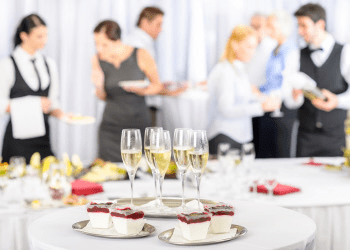
2. Design an Experience That Brings Your Message to Life
Your objective and message must translate into a tangible attendee experience. The event format should be a direct reflection of your brand identity and resonate with your target audience.
- For Community Building: Consider a charity fundraiser, a fun run, or a family-friendly festival. This positions your brand as socially responsible and engaged.
- For a Product Launch: Opt for an exclusive preview event, a hands-on demo session, or a formal dinner with press attendance to generate media coverage.
- For Brand Fun & Engagement: Interactive elements like games with prizes, photo booths with branded props, or live entertainment can create memorable, shareable moments.
The chosen format must feel authentic to your brand and valuable to your guests, creating a natural connection between the experience and your core message.
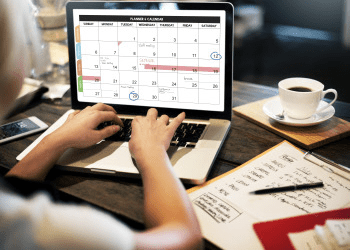
3. Master the Logistics with a Detailed Plan
With the “why” and “how” established, it’s time to tackle the “what, when, and where.” Comprehensive logistical planning is what separates a professional event from an amateur one. Create a master checklist that includes:
- Budget: Outline all expected costs (venue, catering, marketing, staff, decor) and allocate funds accordingly.
- Venue & Date: Secure a location that fits your theme, size, and budget, and choose a date that avoids major conflicts.
- Timeline & Run-of-Show: Develop a minute-by-minute schedule for the event day and a backward-planning timeline for all preparation tasks.
- Vendor Coordination: Book caterers, entertainers, AV technicians, and other necessary suppliers well in advance.
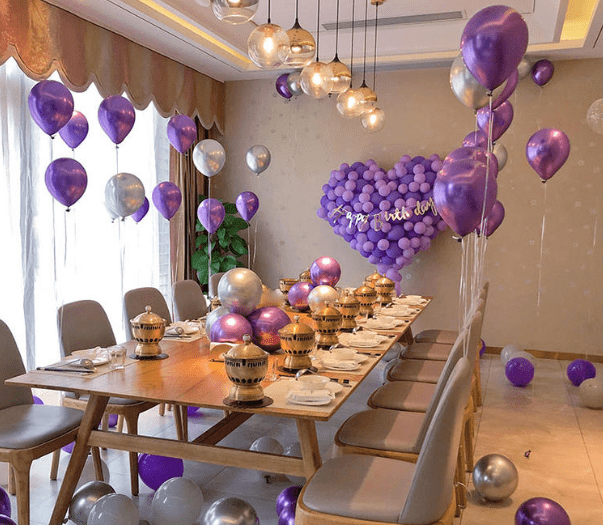
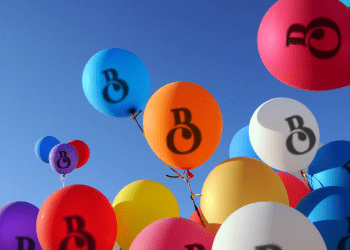
- Decor & Atmosphere: Plan elements like signage, lighting, and thematic decor (such as custom balloons or backdrops) that reinforce your key message visually.
Leaving details to chance is a recipe for stress and a diluted brand experience. Meticulous planning ensures a seamless execution.
4. Forge Strategic Partnerships
You don’t have to do it all alone. Strategic partnerships can amplify your event’s reach, resources, and credibility. Look for non-competing businesses or organisations that share a similar target audience or brand values.
- Co-hosts or Sponsors: They can contribute funding, products for giveaways, or promotional muscle.
- Venue or Catering Partners: Local businesses may offer favourable rates for cross-promotion.
- Charity Partners: Aligning with a cause can deepen community engagement and provide positive PR.
A strong partner brings additional value, expands your network, and can help share the workload and costs, making a larger or more polished event possible.
5. Generate Buzz with Multi-Channel Promotion
A perfectly planned event is meaningless without an audience. Building anticipation is critical. Develop a promotional campaign that starts well before the event and leverages multiple channels:
- Social Media: Use event pages, countdown posts, behind-the-scenes content, and targeted ads.
- Email Marketing: Send save-the-dates, formal invitations, and reminder emails to your subscriber list.
- Public Relations: Reach out to local media, industry bloggers, or influencers who might cover the event.
- On-the-Ground Marketing: Use eye-catching flyers, posters, or even distribute branded items like custom balloons in high-traffic areas to create local buzz.
Consistently communicate the event’s value proposition—what’s in it for the attendee?—across all platforms to drive registrations and ensure a strong turnout.
Conclusion: From Plan to Impact
A successful promotional event is a blend of strategic clarity, creative experience design, operational excellence, collaborative partnerships, and relentless promotion. By following these five steps—defining your goal, designing the experience, planning the details, seeking the right partners, and promoting effectively—you transform a simple idea into a powerful marketing tool. Remember, the goal is to create a positive, memorable experience that attendees associate with your brand long after the event ends. With careful planning and execution, your promotional event will not only meet its objectives but also set the stage for lasting business growth.