Contact Us



Party Tableware Buying Guide: Sets, Materials and Profit Margins | Party Tableware Buying Guide
For retailers in the party supply industry, a well-crafted party tableware buying guide is the key to stocking inventory that sells, balancing quality and cost, and maximizing profit margins. Party tableware is a cornerstone of any celebration—from birthdays and weddings to corporate events and casual gatherings—and consumer preferences are evolving rapidly, with sustainability, versatility, and aesthetics driving purchasing decisions. This party tableware buying guide is tailored specifically for retailers, breaking down the essential information you need to select the right sets, choose high-performing materials, and optimize your pricing strategy to boost profitability in 2026 and beyond.
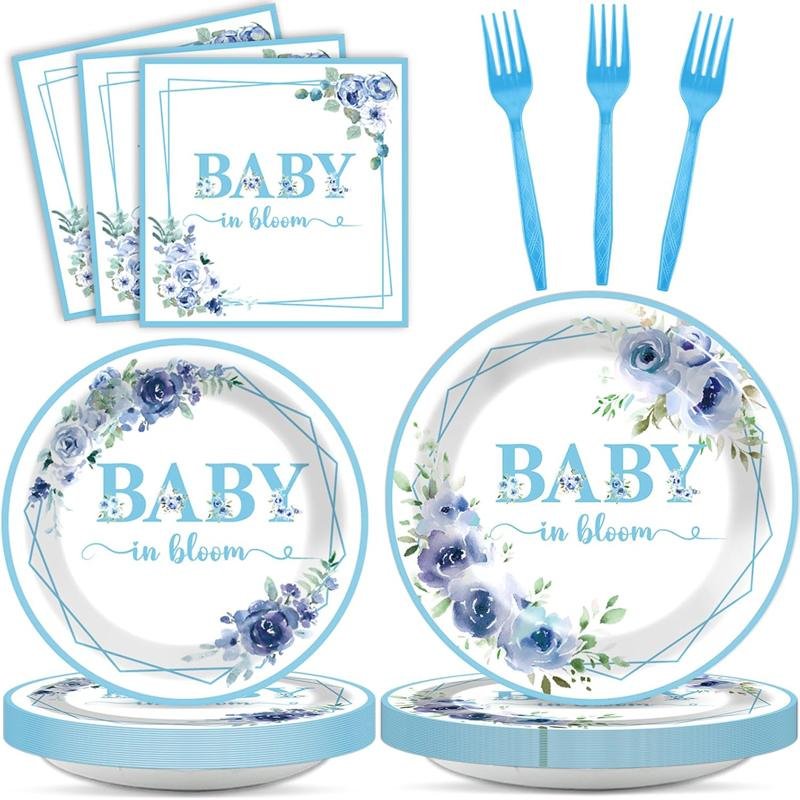
Whether you’re a small local retailer or a large e-commerce platform, this party tableware buying guide will help you navigate the crowded market, avoid common pitfalls, and capitalize on emerging trends that resonate with today’s eco-conscious, theme-driven consumers.
Chapter 1: Essential Party Tableware Sets Retailers Should Stock
The first step in leveraging this party tableware buying guide is understanding which sets to prioritize—sets that balance consumer demand, versatility, and profit potential. Not all party tableware sets are created equal; the best options cater to different event types, budgets, and trends. Below are the must-stock sets for retailers, each with unique selling points and profit opportunities:
1. Disposable Party Tableware Sets (Everyday & Themed)
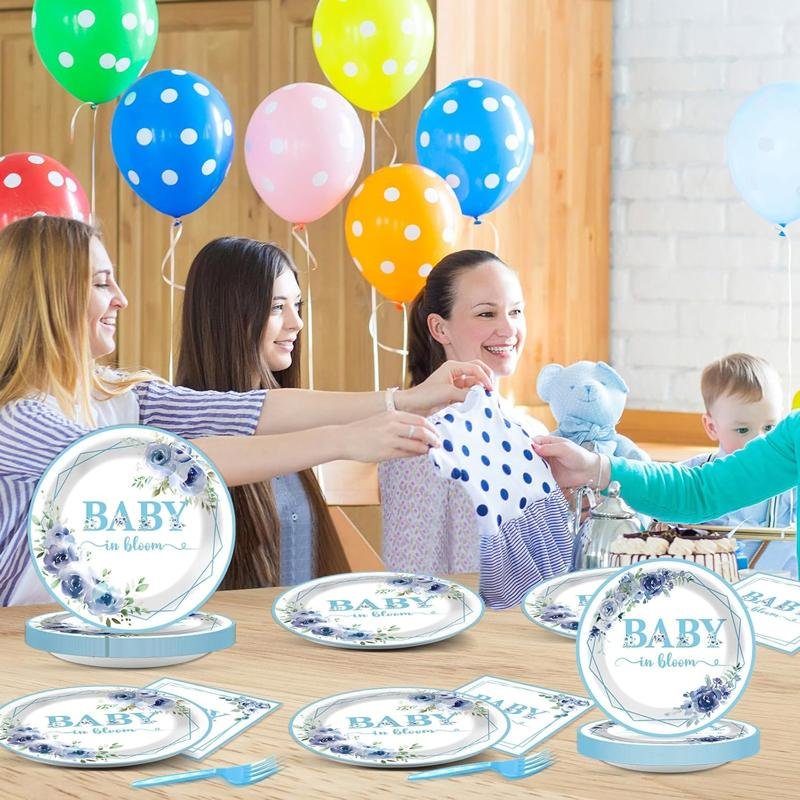
Disposable sets are the backbone of party tableware inventory, accounting for 65% of retail sales in the segment. These sets typically include plates, cups, napkins, and cutlery, and are available in both everyday neutral designs and trend-driven themed options (e.g., birthday, wedding, holiday, kids’ cartoon themes). According to industry data, themed disposable sets command a 20–30% price premium compared to plain sets, making them a high-margin addition to your inventory.
Key considerations for retailers: Opt for sets with coordinated designs (matching plates, napkins, and cups) to encourage larger purchases. Stock a range of sizes—from 8-person to 24-person sets—to cater to both small gatherings and large parties. For 2026, focus on eco-friendly disposable sets (covered in Chapter 2) as consumer demand for sustainable options continues to surge.
2. Reusable Party Tableware Sets
Reusable sets are a fast-growing segment, driven by sustainability trends and cost-conscious consumers who host frequent parties. These sets are typically made from durable materials like ceramic, glass, or stainless steel, and are designed for repeated use. While they have a higher upfront cost, they offer higher profit margins (50–70%) and appeal to eco-conscious shoppers and event planners looking to reduce waste.
Key considerations for retailers: Focus on sleek, versatile designs that work across multiple event types (e.g., neutral ceramic sets that suit weddings, birthdays, and corporate events). Offer sets with complementary pieces (e.g., dinner plates, dessert plates, bowls, and serving platters) to increase average order value. Highlight durability and ease of cleaning in your marketing—these are top priorities for consumers choosing reusable options.
3. Luxury Party Tableware Sets
Luxury sets cater to high-end events like weddings, galas, and corporate celebrations, and are a lucrative niche for retailers. These sets feature premium materials (e.g., bone china, crystal, gold-plated stainless steel) and intricate designs, with price points 3–8 times higher than mass-market options. The luxury tableware market is growing at a CAGR of 5.8%, with affluent households and event planners willing to pay a premium for exclusivity and craftsmanship.
Key considerations for retailers: Stock limited-edition or artisanal luxury sets to avoid competition. Partner with suppliers that offer customization (e.g., engraved logos, custom colors) for corporate clients and wedding planners. Allocate 5–15% of your display space to luxury sets—they drive brand prestige and high profit margins, even with lower sales volume.
Chapter 2: Top Party Tableware Materials (Pros, Cons & Profit Potential)
Material choice is a critical factor in this party tableware buying guide, as it impacts quality, cost, sustainability, and consumer appeal. The right materials will help you balance customer satisfaction with profit margins, while aligning with 2026’s biggest trends (sustainability, durability, and aesthetics). Below are the most in-demand materials for party tableware, with insights for retailers:
1. Eco-Friendly Disposable Materials (2026’s Hottest Trend)
Sustainable materials are no longer a niche—they’re a necessity, driven by consumer demand and global regulations. In 2026, the EU’s PPWR regulation and bans on single-use plastics in the Middle East and U.S. states are pushing retailers to prioritize eco-friendly options. The most profitable eco-friendly materials include:
- Biodegradable Latex & Paper: Made from recycled paper or natural latex, these materials break down in 6–24 months and are ideal for everyday disposable sets. They are affordable (wholesale cost: $0.13–$2.41 per set) and appeal to price-sensitive, eco-conscious consumers. Profit margins typically range from 30–45%.
- PLA (Polylactic Acid): A plant-based plastic made from cornstarch, PLA is fully compostable and heat-resistant, making it suitable for hot foods. It commands a 15–20% price premium over traditional plastic and has profit margins of 40–55%. Look for PLA sets certified to EN 13432 standards to meet EU regulations.
- Palm Leaf & Bagasse: These natural materials are 100% compostable, chemical-free, and durable enough to hold oily or hot foods. Palm leaf plates, in particular, are popular for weddings and outdoor events, with profit margins of 45–60%. Note: The FDA has restricted the sale of areca palm leaf tableware in the U.S., so ensure compliance with regional regulations.
2. Traditional Disposable Materials (Still Profitable for Mass Markets)
While eco-friendly options are growing, traditional disposable materials remain popular for budget-conscious consumers and casual events. These materials offer lower upfront costs and steady demand, making them a reliable addition to your inventory:
- Plastic (PP, PS, PET): Lightweight, durable, and affordable, plastic tableware is ideal for kids’ parties and casual gatherings. Wholesale costs range from $0.34–$5.50 per set, with profit margins of 25–40%. Opt for recyclable plastic to appeal to eco-conscious shoppers without sacrificing cost.
- Foam: Cheap and lightweight, foam tableware is popular for outdoor events and large gatherings. It offers good thermal insulation but is less eco-friendly, with some regions restricting its use. Profit margins are 20–35%, making it a budget-friendly option for price-sensitive consumers.
3. Reusable Materials (High-Margin, Long-Term Value)
Reusable materials are ideal for high-margin sets, as they command higher retail prices and have lower replacement costs. The top materials for reusable party tableware include:
- Ceramic & Porcelain: Classic and versatile, ceramic sets are perfect for weddings and formal events. Wholesale costs range from $2.50–$25 per set, with profit margins of 50–70%. Look for chip-resistant designs to reduce returns.
- Stainless Steel: Durable, easy to clean, and eco-friendly, stainless steel sets are popular for outdoor parties and corporate events. They have a higher upfront cost but offer long-term value, with profit margins of 45–65%.
- Glass: Elegant and versatile, glass sets are ideal for luxury and formal events. Profit margins range from 55–75%, but they require careful handling to avoid breakage. Focus on tempered glass for durability.
Chapter 3: Maximizing Profit Margins on Party Tableware (Retailer-Focused Strategies)
The final, and most critical, section of this party tableware buying guide is optimizing profit margins. While selecting the right sets and materials is key, your pricing, sourcing, and inventory strategies will determine your overall profitability. Below are proven strategies to boost margins, backed by industry data:
1. Source Smartly: Negotiate Wholesale Pricing & MOQs
Profit margins start with sourcing. Work with reputable suppliers that offer tiered pricing based on order volume—larger orders typically yield 10–20% lower wholesale costs. For example, disposable paper sets may cost $1.31–$2.41 per set for orders of 100 pieces, but drop to $0.75–$2.13 per set for orders of 1,000+ pieces.
Key tips: Ask suppliers for flexible minimum order quantities (MOQs) to test new products without overcommitting. Many wholesalers offer adjustable MOQs for new retailers, allowing you to stock niche items (e.g., luxury sets) without large upfront investments. Also, prioritize suppliers that offer retail-ready packaging and quality assurance to reduce returns and complaints.
2. Price Strategically: Balance Value & Profit
Pricing is a delicate balance—set prices too high, and you’ll lose customers; too low, and you’ll erode margins. Use these guidelines to price your party tableware:
- Disposable Sets: Mark up 2.5–3x wholesale cost (e.g., $1.31 wholesale → $3.28–$3.93 retail). Themed or eco-friendly disposable sets can be marked up 3–3.5x due to higher demand.
- Reusable Sets: Mark up 3–4x wholesale cost (e.g., $10 wholesale → $30–$40 retail). Luxury reusable sets can be marked up 4–5x, as consumers are willing to pay for quality and exclusivity.
- Bundle & Upsell: Create bundled packages (e.g., disposable set + balloons + streamers) to increase average order value. Upsell customers by suggesting premium add-ons (e.g., “Upgrade to our compostable PLA set for $2 more”).
3. Manage Inventory to Reduce Waste
Inefficient inventory management can reduce profit margins by up to 10%, so it’s critical to stock the right quantities of each set and material. Use sales data to identify top-selling items (e.g., themed disposable sets for birthdays) and stock more of these, while reducing inventory of slow-moving products (e.g., outdated luxury sets).
Key tips: Avoid overstocking seasonal items (e.g., holiday tableware) by ordering 20–30% less than projected demand, then restock if needed. For eco-friendly materials, prioritize items with longer shelf lives (e.g., PLA sets) to avoid waste. Use inventory management tools to track stock levels and identify trends.
4. Market to High-Demand Audiences
Targeting the right audiences will help you sell more high-margin party tableware. Focus on three key groups:
- Eco-Conscious Consumers: Market eco-friendly sets with clear messaging about sustainability (e.g., “100% compostable palm leaf sets—zero waste, maximum style”). Use social media to showcase eco-friendly decor ideas and partner with eco-influencers.
- Event Planners: Offer bulk discounts and customization options for corporate events and weddings. Highlight luxury and reusable sets, as event planners prioritize quality and brand alignment.
- Parents & Casual Hosts: Stock affordable, themed disposable sets for kids’ parties and casual gatherings. Emphasize convenience and affordability in your marketing.
Final Thoughts: Use This Party Tableware Buying Guide to Drive Profit
This party tableware buying guide is designed to help retailers navigate the complex market, select the right sets and materials, and maximize profit margins in 2026. By focusing on high-demand sets (disposable themed, eco-friendly, luxury), choosing the right materials, and implementing smart sourcing and pricing strategies, you can capitalize on the growing party supply market and build a loyal customer base.
For retailers seeking a trusted supplier of high-quality party tableware—from eco-friendly disposable sets to luxury reusable collections—VastParty offers a full range of products with flexible MOQs, competitive wholesale pricing, and customization options. Our tableware meets global sustainability standards, aligns with 2026 trends, and is designed to help retailers boost profit margins. Visit www.vastparty.com to explore our party tableware collection, request samples, or get a wholesale quote.