Contact Us
Luxury Celebration Supplies: Premium Party Market Growth
Luxury Celebration Supplies: Premium Party Market Growth
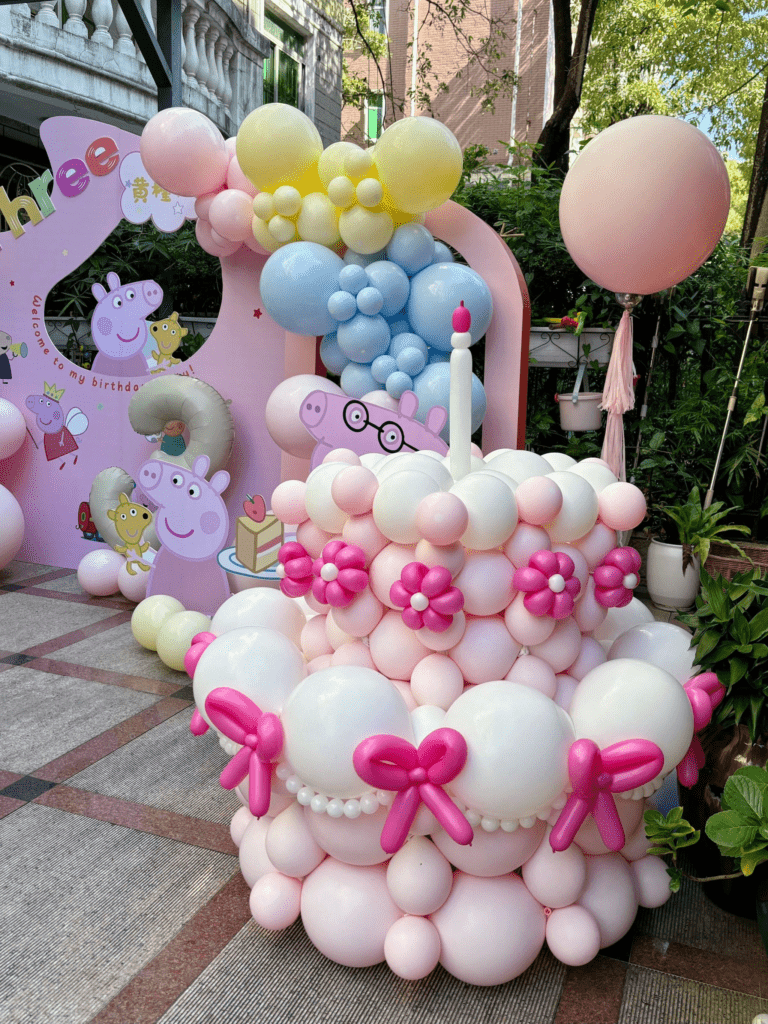
Photo by Atlantic Ambience on Pexels
[SEO_TITLE]: Luxury Celebration Market Growth | Premium Party Supplies
[META_DESCRIPTION]: The luxury celebration market is a $12.7B high-margin opportunity. Learn 3 key trends, real case studies, and data-driven strategies to position your business for growth.
[URL_SLUG]: luxury-celebration-supplies-premium-party-market-growth
[ARTICLE_CONTENT]:
Luxury Celebration Supplies: Capturing the High-Margin Premium Party Market
The party is no longer just an event; it’s a statement. For wholesalers and retailers, this shift represents the single most lucrative opportunity in our industry today. The demand for luxury celebration supplies isn’t a passing fad—it’s the fundamental restructuring of consumer expectations, driven by disposable income, social media influence, and a post-pandemic desire for meaningful, elevated experiences. Positioning your inventory to meet this demand is the difference between competing on price and commanding premium margins.
As a direct factory consultant in Yiwu for over eight years, I have guided hundreds of wholesalers through the transition from generic stock to curated premium collections. The global party supplies market, valued at $25.8 billion in 2023, is projected to reach $39.1 billion by 2030, growing at a CAGR of 6.1%. However, the premium and luxury celebration segment is outpacing this significantly, with an estimated CAGR of 9.8% through 2030. This isn’t just growth; it’s a land grab for brand positioning and customer loyalty.
I often hear wholesalers say, “My customers are too price-sensitive for luxury items. They just want the basics.” The truth is, this belief ignores a fundamental market segmentation. While a segment will always seek the lowest cost, a rapidly expanding demographic is actively searching for items that basic suppliers cannot provide. They aren’t just buying a balloon; they’re buying a texture, a finish, a feeling of exclusivity. The truth is, the premium market isn’t about selling more units; it’s about making more profit per unit while building a brand that attracts better clients.
Why This Luxury Trend Matters: The Data Behind the Decor
Ignoring the upscale decor market is a strategic error with clear financial consequences. Here is what most industry reports won’t tell you: the average order value (AOV) for transactions involving premium materials is 2.3x higher than for standard party orders. A client buying standard latex balloons and printed tableware might spend $150. The same client, when presented with a cohesive luxury celebration concept—featuring biodegradeable confetti, double-walled acrylic drinkware, and custom-dyed silk ribbons—easily spends $345+.
The drivers are unmistakable:
Social Media & “Instagrammability”: Over 68% of event planners report clients bring “visual references” from Pinterest or Instagram, specifically requesting high-end, photogenic materials. These are not items found in bargain bins.
The Experience Economy: Consumers, especially Millennials and Gen Z, prioritize spending on experiences over goods. A luxury event is the pinnacle of this, and the supplies are the tangible foundation of that experience.
Sustainability as a Luxury Hallmark: Premium is increasingly linked with ethical sourcing. A 2023 survey found 55% of consumers are willing to pay a 15-20% premium for party supplies marketed as sustainable or biodegradable.
Pro Tip: I had a client, a distributor in Miami, who only stocked mass-market metallic balloons. They were stuck in a price war. We introduced a line of premium, oversized (36″) matte velvet balloons and biodegradable glitter fillers at a 40% higher cost. They lost 10% of their most price-sensitive customers but saw their overall profit margin increase by 22% within two quarters. What they learned: Catering to the bottom shrinks your brand. Curating for the top expands your profitability.
Trend 1: Hyper-Personalization & Bespoke Materials – Beyond the Monogram
The first major trend is the move from personalization to true bespoke creation. It’s no longer about slapping a name on a ready-made item. The luxury celebration client wants elements that feel uniquely conceived for their event.
Business Impact: This trend moves you from a supplier to a creative partner. It allows for staggering markups. A standard foil letter balloon costs $1.50 to produce and sells for $3.50. A fully custom, double-sided balloon with a unique commissioned artwork motif might cost $4.00 to produce but can retail for $15-$20. You’re selling exclusivity, not inflation.
Custom Dye Lots: Matching balloons and fabric ribbons to a specific Pantone color from a wedding invitation.
Bespoke Molding: Creating custom-shaped mylar or acrylic decor pieces based on a client’s logo or theme (e.g., a corporate client’s product shape).
Textural Innovation: Materials like crinkle velvet, brushed metallics, frosted acrylic, and seeded paper are replacing standard plastics and cheap foils.
Pro Mistake to Avoid: Assuming custom means high minimum order quantities (MOQs). A retailer in London tried to order fully custom porcelain plates for a wedding line, got quoted a 5000-piece MOQ, and got stuck with dead stock. The fix? We guided them to “semi-bespoke” options. We provided plain, high-quality ceramic plates from our factory, and they partnered with a local artisan in the UK to hand-paint details per event. Their unit cost was higher, but their margin was 300% with zero inventory risk. Solution: Leverage your factory for premium blanks and enable local customization.
Trend 2: The Sustainable Luxury Paradox – Eco-Conscious Opulence
Today’s high-end client wants to indulge guilt-free. They demand opulence that doesn’t come at an overt environmental cost. This is the sustainable luxury paradox: items must look and feel lavish while aligning with ethical values.
Opportunity: This creates a clear premium tier. You can charge more for responsible sourcing, but you must be authentic. Greenwashing will backfire spectacularly with this informed demographic.
Material Shift: Biodegradable latex balloons (often labeled as “natural rubber”), recycled paper streamers, plant-based glitter, and decor made from sustainable wood or bamboo.
Longevity & Reusability: Luxury is now linked to durability. Think silk fabric bunting, acrylic geometric centerpieces, and stainless steel cocktail stirrers that are bought as “event investments” to be reused or repurposed.
Supply Chain Transparency: Clients are starting to ask. Having a narrative about responsible factory partners (like audits for fair labor practices) adds intangible value.
Case Study – Sydney, Australia: “Eco-Celebrate,” a boutique wholesaler, was struggling to differentiate in a crowded market. They pivoted entirely to a curated collection of sustainable luxury items. They sourced our FSC-certified paper honeycomb balls, natural rubber balloon garlands, and cotton rope festoons. They marketed the line’s compostability and ethical production. In 18 months, their clientele shifted from general event planners to high-end wedding and corporate sustainability officers. Their AOV skyrocketed from $280 to $750, and they secured a recurring contract with a major eco-resort chain for all their guest events.
Trend 3: Experiential Installation & Kinetic Decor – The “Wow” Moment
The product is no longer static decor; it’s part of an interactive experience. This trend is about creating moments that are inherently shareable. It’s the move from background decoration to focal-point installation.
Action Steps: This requires thinking in systems, not just SKUs. You need to supply the components and the know-how. Provide installation guides, video tutorials, and bundle “installation kits” with tapes, poles, and connectors.
Balloon Sculptures & Arch Kits: Pre-curated kits with specific color mixes, sizes, and a linking system to create professional-grade arches, ceilings, and sculptures.
Kinetic Mobiles & Floating Installations: Lightweight, balanced decor that moves with air currents.
Interactive Light Elements: LED-embedded balloons, fiber optic table runners, and programmable light strings that sync to music.
Case Study – Austin, Texas: “Vibe Décor Co.” was a typical party rental house. They bought our premium balloon stock and a line of modular, lightweight aluminum framing systems. They stopped selling just balloons and started selling “installation experiences”—a 20-foot balloon cloud ceiling, a kinetic geometric mobile. They provided a quote that included design, the component kit, and a simplified assembly guide. Their profit margin on these “experience kits” is 65%, compared to 40% on bulk balloon sales alone. They now dominate the high-end corporate launch and tech wedding market in their city.
#### Key Product Categories & Margin Analysis Table
| Product Category | Standard Version (Avg. Cost/Unit) | Premium/Luxury Version (Avg. Cost/Unit) | Typical Markup (Standard) | Typical Markup (Premium) | Key Differentiator |
| :— | :— | :— | :— | :— | :— |
| 18″ Latex Balloon | $0.08 – $0.12 (basic color) | $0.25 – $0.40 (custom dye, matte/velvet finish, biodegradable) | 100-150% | 200-300% | Texture, Color Depth, Sustainability |
| Foil Letter Balloon | $1.20 – $1.50 (standard font) | $3.50 – $5.00 (custom shape, dual-side print, brushed metal) | 120-140% | 250-350% | Uniqueness, Design Complexity |
| Paper Garland | $0.50/meter (tissue paper) | $3.00 – $7.00/meter (Italian crepe paper, silk, seeded paper) | 100% | 200-400% | Material Quality, Drape, Longevity |
| Table Centerpiece | $2.00 (plastic/paper) | $15.00 – $30.00 (acrylic, ceramic, sustainable wood with inserts) | 80-100% | 150-250% | Reusability, Perceived Value, Material |
| Party Popper | $0.30 (plastic, paper streamer) | $2.50 – $4.00 (reusable mechanism, biodegradable confetti, silk exterior) | 90% | 300-400% | Experience, Sustainability, Reusability |
The Next 12-18 Months: What’s on the Horizon
I will be honest: the bar will continue to rise. The definition of a luxury celebration is fluid. In the immediate future, watch for these developments:
Tech-Infused Interactivity: Expect more demand for simple NFC tags embedded in decor that guests can tap with phones to reveal messages, play music, or activate lighting sequences. The cost is coming down, and the “wow” factor is high.
Bio-Fabricated Materials: The cutting edge will move from “sustainable” to “regenerative.” Lab-grown silk, dye from food waste, and balloons from advanced bio-polymers will start appearing in ultra-high-end market segments.
The Rental Hybrid Model: For the most expensive items (large acrylic structures, complex kinetic art), a wholesale-to-rental model will emerge. You sell the item to a rental specialist at a premium, and they rent it out 10-15 times, creating a new B2B channel for your highest-ticket products.
How to Position Your Business for Premium Growth
This isn’t about flipping a switch. It’s a strategic repositioning. Here is what guides won’t tell you: you cannot be everything to everyone. You must choose.
Curate, Don’t Just Stock: Your catalog should tell a story. Create “Edit” collections: “The Sustainable Soirée,” “Modern Minimalist Luxe,” “Maximalist Celebration.” Bundle items that work together narratively.
Educate Your Clients: The premium market needs education. Create content: “Why Biodegradable Latex is Worth It,” “How to Install a Balloon Garland Like a Pro.” You’re selling expertise as much as product.
Revamp Your Visuals: Low-quality product photos kill premium appeal. Invest in professional lifestyle imagery that shows your products in stunning, real-world settings. This is non-negotiable.
Forge Strategic Partnerships: Partner with high-end event planners, wedding designers, and boutique hotels. Offer them exclusive first access to new lines or slight customization privileges. They are your gateway to the end luxury client.
Pro Tip: I had a client in Toronto who supplied big-box stores. They wanted to break into luxury. Instead of a full rebrand, they launched a separate sub-brand with a distinct name, website, and curated product line sourced from our premium factory lines. They used the sub-brand to partner with high-end planners their main brand couldn’t access. Within a year, the sub-brand, operating with 30% of the SKUs, generated 45% of the total profit. What they learned: A separate brand identity allows you to compete in a new tier without diluting your existing business.
Frequently Asked Questions (FAQ)
Q: My customers are used to low prices. How do I introduce luxury lines without alienating them?
A: You launch a separate, clearly tiered collection. Don’t replace their cheap options; add a “Premium” or “Designer Collection” section on your website and in your catalog. Use the superior imagery and copy to tell the value story—longer-lasting, more photogenic, unique. Your core customers may stay put, but you’ll start attracting a new, higher-spending clientele you were previously invisible to.
Q: The MOQs for truly custom luxury items from factories are too high. What’s the alternative?
A: This is the most common hurdle. The solution is the “Semi-Bespoke” model. Work with your factory (like ours at VastParty) to stock premium, high-quality base components in neutral colors and finishes. Then, establish a relationship with a local artisan, printer, or dye-house in your market. You do the bulk import of the quality base, and they do the final, low-MQ customization. This controls inventory risk, supports local business, and lets you offer true customization.
Q: Is the luxury celebration market recession-proof?
A: No segment is entirely immune, but premium experiences often demonstrate resilience. During economic dips, consumers may forgo multiple small gatherings in favor of one, more significant, high-quality event. They “trade up” in importance while “trading down” in frequency. Your positioning as a provider of meaningful, memorable, and durable luxury items can actually become a strength as clients seek value in longevity and impact, not just low cost.
Final Thoughts
The migration toward premium, personalized, and experiential celebrations is the defining shift of our industry. The wholesalers who thrive will be those who see themselves not as commodity distributors, but as curators of celebration.
Takeaway 1: The premium party supplies market is growing nearly 10% annually. Competing on price in the standard market is a race to the bottom; competing on quality and experience in the luxury market is a path to higher margins.
Takeaway 2: Success hinges on three pillars: Bespoke Personalization (sell uniqueness), Sustainable Opulence (sell with a conscience), and Experiential Installation (sell a “wow” moment).
Takeaway 3: Your action plan is clear: Curate a narrative-driven collection, Educate your market on the value, and Separate your premium offerings to build a distinct brand identity that attracts the right clients.
The opportunity is vast, but it requires a shift in mindset and inventory. If you’re ready to explore factory-direct sourcing for premium, sustainable, and innovative luxury celebration supplies that will define your market position, let’s discuss your strategy.