Contact Us


How to Choose the Perfect Balloon Colours for Your Brand or Event
Colour is a silent yet powerful communicator, capable of setting the mood, conveying a message, and creating a lasting memory. When it comes to event decor or brand promotion, balloons offer a vibrant and versatile canvas. However, with an endless spectrum of shades available, selecting the right palette can be daunting. This guide will walk you through the key considerations to ensure your balloon colours perfectly align with your vision, whether for a corporate launch, a festive celebration, or a cohesive brand activation.
Understanding Colour Psychology
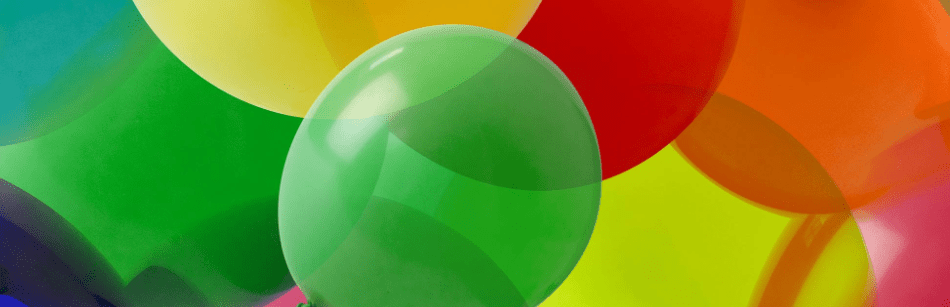
Colours do more than please the eye; they evoke specific emotions and subconscious associations. Leveraging colour psychology can transform your balloon decor from simple decoration into a strategic communication tool.
- Energetic & Bold: Reds, oranges, and bright yellows stimulate excitement and passion. Ideal for product launches, sales events, or lively parties.
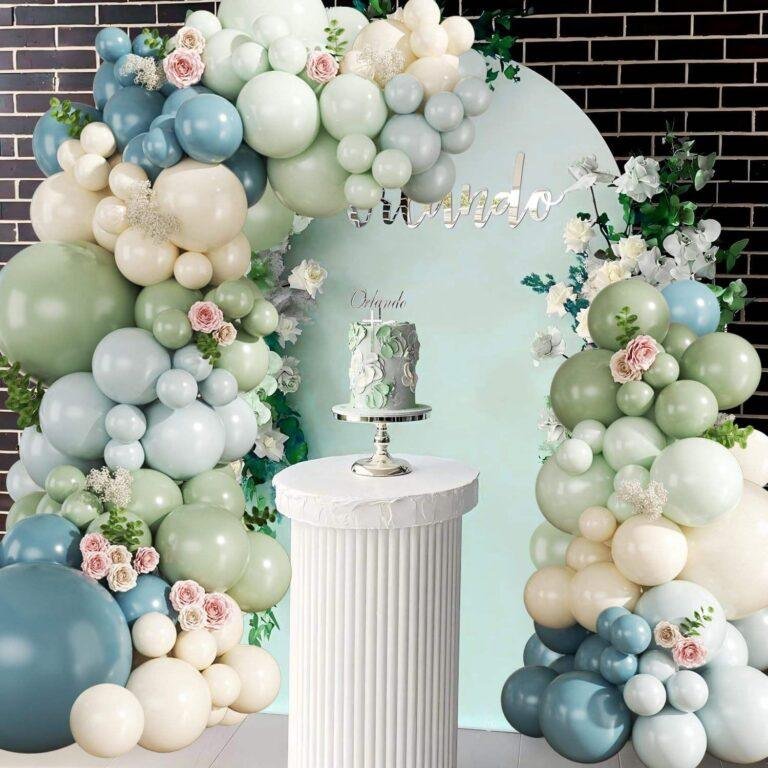
- Calm & Trustworthy: Blues and soft greens promote feelings of tranquillity, trust, and reliability. Perfect for corporate gatherings, wellness events, or professional settings.
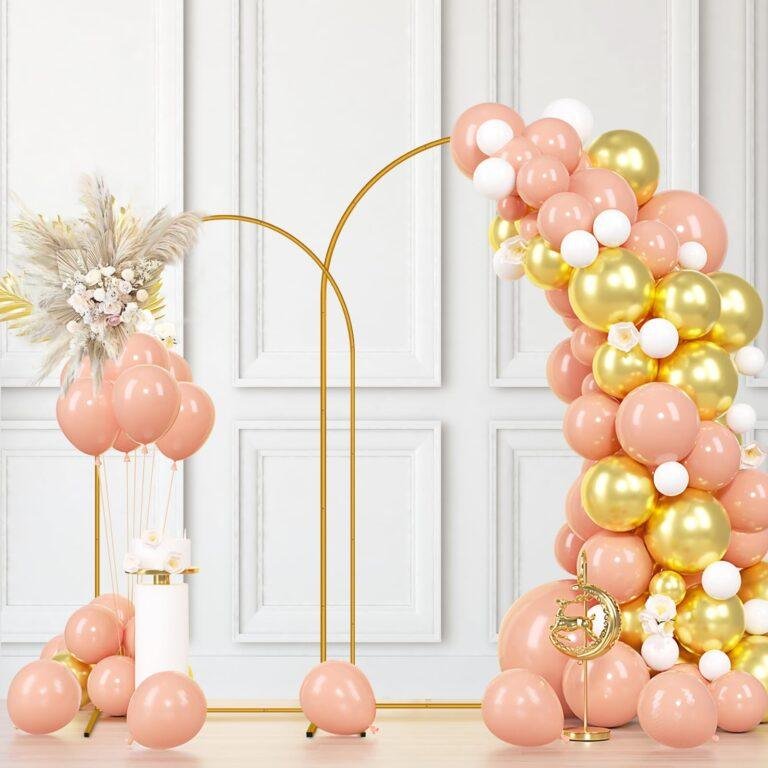
- Luxurious & Creative: Purples and metallics like gold and silver are often associated with luxury, creativity, and sophistication. Excellent for galas, anniversary celebrations, or high-end brand displays.
- Fresh & Optimistic: Greens and lighter yellows symbolise growth, freshness, and optimism. Well-suited for spring events, environmental initiatives, or brand messages centred on health and renewal.
Align your colour choices with the emotional response you wish to elicit from your audience to create a deeper, more memorable connection.
Complementing Your Brand Identity or Event Theme
Cohesion is key to a professional and impactful presentation. Your balloon colours should seamlessly integrate with your existing visual identity or chosen theme.
- For Brand Activations: Directly pull colours from your company logo, brand guidelines, or marketing materials. This reinforces brand recognition and creates a unified brand experience. If your primary brand colour is challenging to work with in large quantities, use it as an accent alongside neutral or complementary shades.
- For Themed Events: Let the theme guide your palette. A “tropical paradise” theme calls for vibrant turquoises, corals, and lush greens, while a “winter wonderland” is beautifully executed with icy blues, silvers, and whites. Consistency across all decor elements, from balloons to tableware, amplifies the immersive effect.
Considering the Venue and Lighting
The environment dramatically affects how colours are perceived. A colour that pops in one setting may fall flat in another.
- Natural vs. Artificial Light: Bold, saturated colours often shine outdoors in natural light. Indoors, under artificial lighting, these same colours can appear intense. Softer pastels and metallics can look exceptionally elegant in indoor, evening settings with warm lighting.
- Venue Colour Scheme: Take note of the venue’s permanent colours—walls, carpets, curtains. Choose balloon colours that contrast nicely rather than clash or blend in unnoticed. A quick site visit or reviewing photos during the planned event time can be invaluable for making informed decisions.
Factoring in Seasonal and Cultural Context
Context matters. Aligning your colour choices with the season or being mindful of cultural connotations adds a layer of thoughtfulness and relevance.
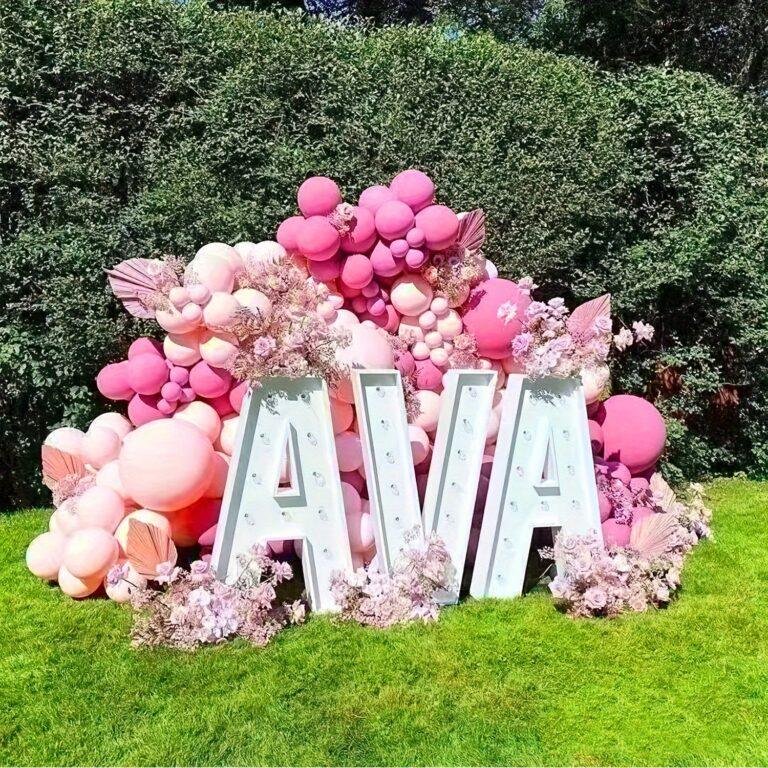
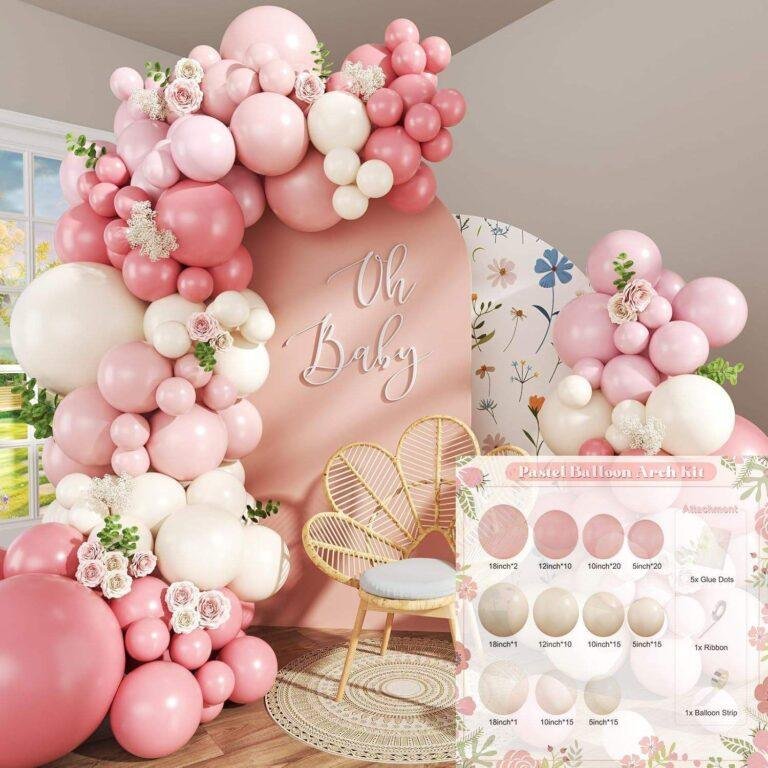
- Seasonal Palettes: Leverage seasonal colour associations to make your event feel timely. Think of warm burgundies and golds for autumn, festive reds and greens for winter holidays, pastel pinks and blues for spring, and bright citrus tones for summer.
- Cultural Sensitivity: When hosting events for a diverse audience, be aware that colours can carry different meanings across cultures. For example, while white may symbolise purity in some cultures, it can represent mourning in others. A little research ensures your decor is respectful and appropriate for all guests.
Mastering the Art of Mixing and Matching
Monochromatic schemes are classic, but combining colours creates dynamic visual interest. Use basic colour theory as your guide:
- Complementary Colours: Colours opposite each other on the colour wheel (e.g., blue and orange) create high contrast and vibrancy.
- Analogous Colours: Colours next to each other on the wheel (e.g., blue, teal, and green) offer a harmonious and serene look.
- Triadic Colours: Three colours evenly spaced on the wheel (e.g., red, yellow, blue) provide a bold yet balanced palette.
Don’t forget texture and finish. Combining standard latex balloons with metallic foil balloons, pearlised finishes, or confetti-filled balloons adds depth and sophistication to your arrangements.
The Importance of Testing Your Colours
Before finalising a large order, conduct a real-world test. Inflate a small sample of balloons in your chosen colours and observe them in the actual event space under similar lighting conditions. This simple step can reveal how colours interact with each other and the environment, allowing you to make confident adjustments before the main event.
Conclusion: Making Your Colour Choice Count
Choosing the perfect balloon colours is a strategic decision that blends art with psychology and practical planning. By understanding the emotional weight of colours, ensuring alignment with your brand or theme, accounting for environmental factors, and thoughtfully combining hues, you can create balloon decor that does more than just fill a space—it tells a story, evokes emotion, and leaves a powerful, lasting impression.
Investing time in this selection process ensures your balloons become a cohesive and impactful component of your overall vision, helping your brand or event truly soar.